Behind the kitchen door
Before guests see a dish, there is chopping, marinating, timing and the quiet concentration of craft.
craft · Royal Lahori Chef Kitchen · 12 May 2026 · 7 min read
The dining room receives the finished sentence. Behind the kitchen door is the grammar: chopping, washing, marinating, lifting, tasting, waiting, correcting, carrying. By the time a guest sees biryani, kebabs or karahi, the dish has already passed through a series of decisions that cannot be rushed without consequence. Craft, in this kind of cooking, is rarely glamorous at the moment it is happening. It is repetition with attention.
The phrase "passion and precision" risks sounding decorative until you stand near a working kitchen and see how little romance there is in getting food right for a crowd. Onions do not slice themselves into evenness. Marinades do not penetrate because someone feels strongly about them. Rice does not become biryani by accident. Precision is the part of passion that turns up on time.
Flavour begins long before the first guest smells it.
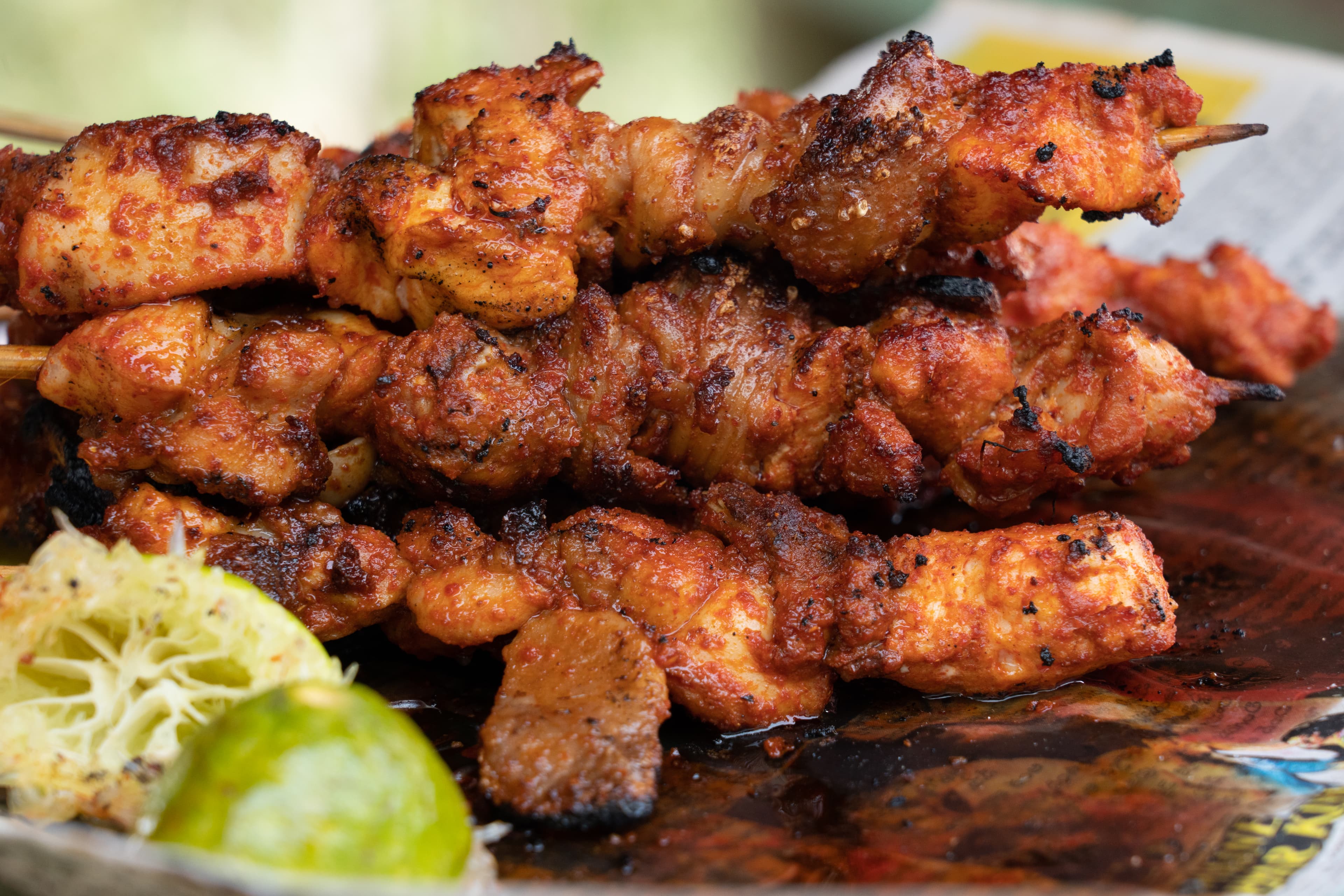
Consider kebabs. Their pleasure at the table is immediate: smoke, spice, char, the tenderness of minced or marinated meat shaped and cooked with care. But their success begins earlier, in texture and seasoning. Too loose, and they fail. Too dense, and they become heavy. Too timid, and they taste apologetic. Too fierce, and the spice smothers the meat. A good seekh kebab has confidence without shouting.
Karahi is another lesson in patience disguised as urgency. The pan suggests speed: high heat, movement, reduction. But the depth comes from knowing when to let ingredients catch and when to move them, when tomatoes have given up their rawness, when ginger should stay bright, when oil at the edge is gloss rather than greasiness. Mutton or lamb karahi has to carry richness and lift together. That balance is made, not wished into being.
Biryani may be the sternest teacher. It punishes carelessness in layers. Rice must be cooked to the right point before it ever meets meat. Spice has to travel through the dish without flattening it. Steam has to do its work without turning grains soft and defeated. For catering, the challenge grows: the biryani must hold, travel and serve whilst still feeling alive when the lid is lifted.
Behind the kitchen door, time is not a single clock. It is several clocks at once. Meat has one schedule, rice another, fried starters another, sweet dishes another, delivery another, service another. An event kitchen is a place where the future is constantly being counted backwards. If guests eat at seven, the work began long before anyone thought about plates.
The calmest service usually has the busiest past.
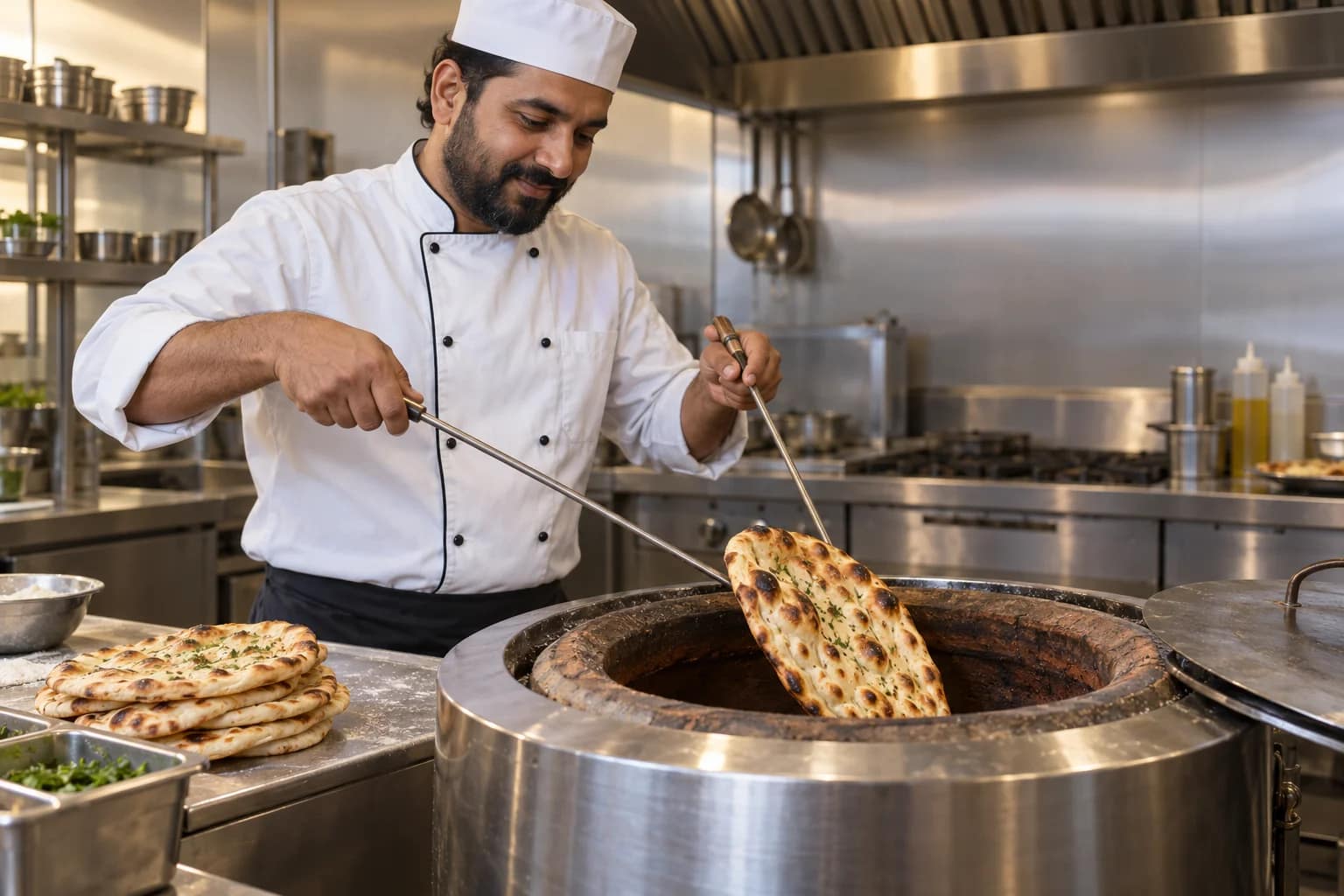
There is also the physical labour: heavy pots, hot trays, repeated lifting, the damp heat of steam, the sharp smell of onions, hands washed and washed again, surfaces cleared, containers labelled, lids checked. None of this appears in the photograph of a finished dish. It is precisely the point that it should not. Guests should taste care, not effort.
The craft of Lahori cooking is particularly unforgiving because the food is familiar to many of the people eating it. Familiarity sharpens judgement. A guest may not know every technical step in a curry, but they know when it has depth. They know when kebabs are dry. They know when rice has been bullied. They know when daal has been treated as filler rather than food with its own dignity.
This is why shortcuts have a smell. They show up in raw spice, flat gravies, tired rice, sweetness without warmth. Good cooking has its own quiet authority because each stage has been given the time it needs. Marination is not decoration. Browning is not colour alone. Resting is not delay. Garnish is not rescue. These are the bones of the dish.
There is beauty, too, in the small checks before food leaves the kitchen. A lid lifted. A spoon dipped. A tray wiped at the edge. A final scattering of ginger, coriander or chilli where it belongs. The cook is asking whether the dish is ready to meet people. Not ready for a camera. Ready for a room full of appetites, memories and opinions.
A dish that looks effortless has usually been argued into balance.
Behind the kitchen door is not a separate world from hospitality. It is hospitality before it becomes visible. Every clean cut, every controlled flame, every patient reduction is a form of care for guests who may never know it happened. They will know only that the biryani was fragrant, the karahi had depth, the kebabs held their heat, and the meal felt steady.
That is enough. The kitchen does not need applause for every movement. Its work is to send food out with confidence, so the table can have the pleasure without the strain. Still, it is worth remembering, when a dish arrives looking generous and inevitable, that inevitability is usually handmade.