A menu designed to delight
At a mixed family event, variety means feeding elders, children and friends without losing the Lahori centre.
ingredients · Royal Lahori Chef Kitchen · 27 March 2026 · 8 min read
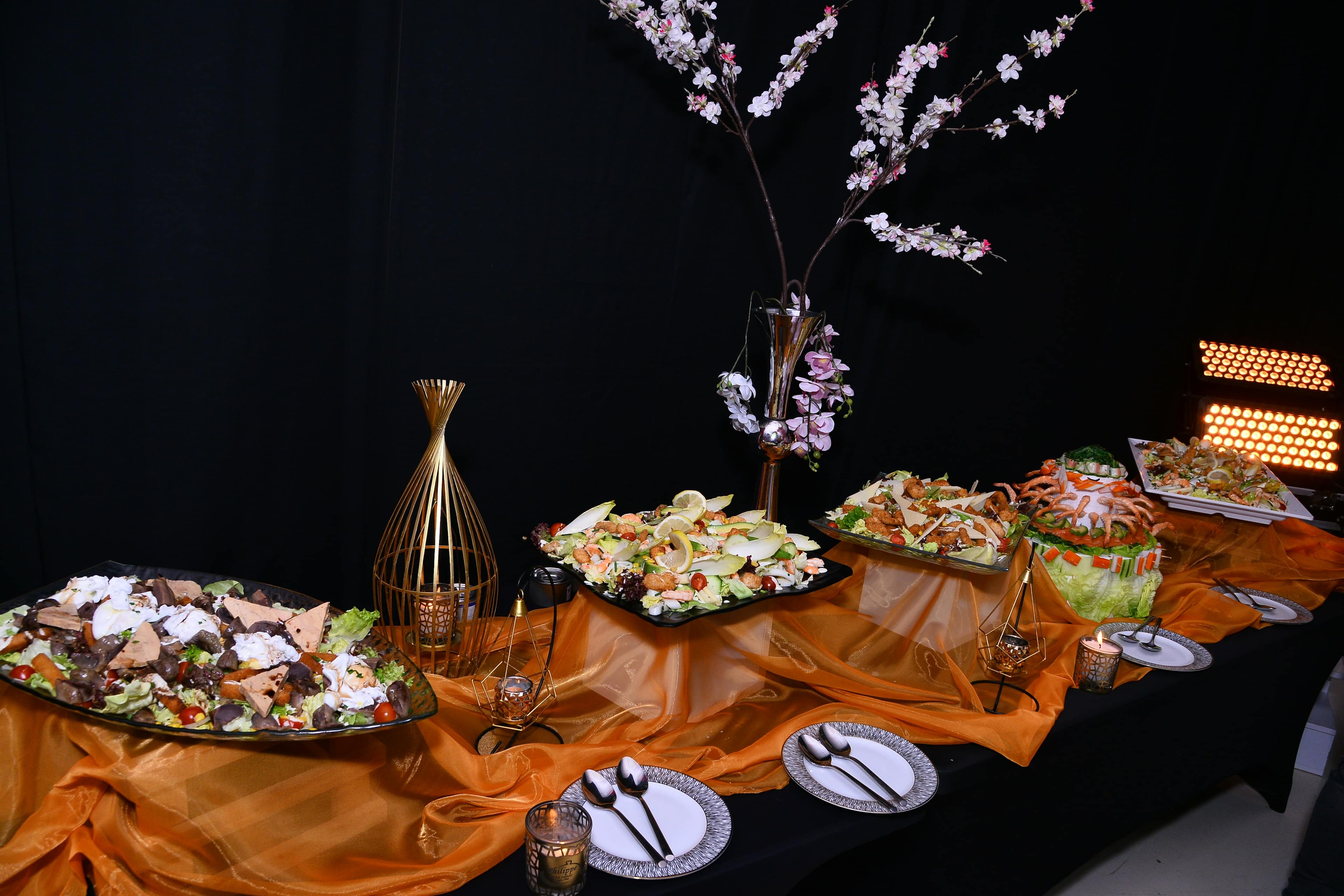
Variety is one of those words that sounds simple until you try to feed a mixed family event. Then it becomes a serious design problem. A menu has to satisfy elders who know the classics, children who may only want rice and chicken, friends who are curious but cautious, spice lovers, sweet-toothed guests, people who eat lightly, people who treat a buffet as a personal challenge, and hosts who want everyone to feel considered.
The idea of a menu designed to delight can easily tip into vague promise. Delight is not the same as novelty. It is not achieved by adding dishes until the table loses its centre. In Lahori catering, delight often comes from balance: the comfort of recognised dishes alongside enough freshness, texture and contrast to keep the meal alive.
A varied menu should feel like a conversation, not a catalogue.
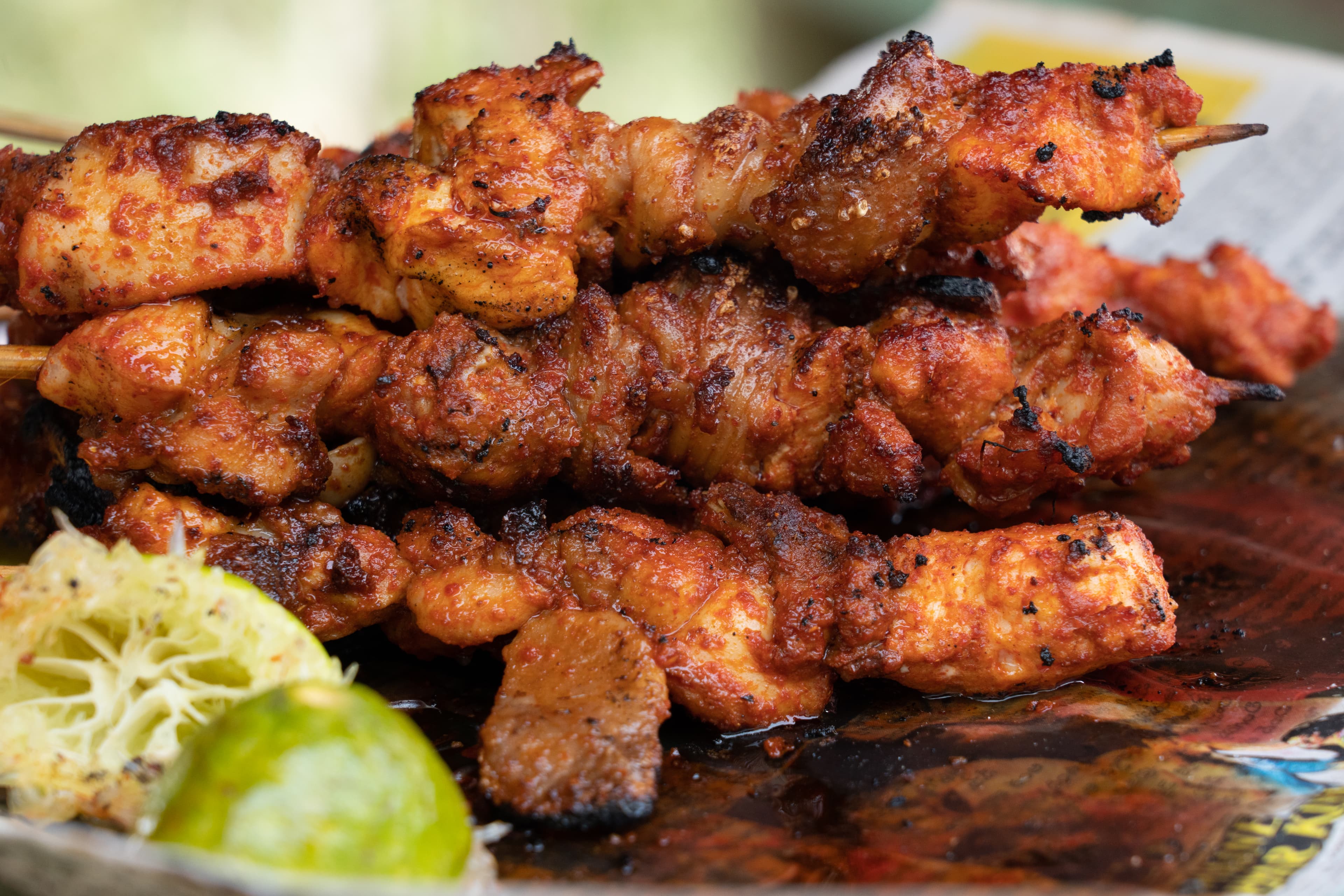
Start with the first bites. Samosas, pakoras, seekh kebabs, chicken tikka, chana chaat: these dishes open appetite in different ways. Some bring crunch, some smoke, some heat, some tang. Together, they prepare the room without exhausting it. The mistake is to treat starters as filler before the real food. Guests form opinions early. The first plate teaches them what kind of care to expect.
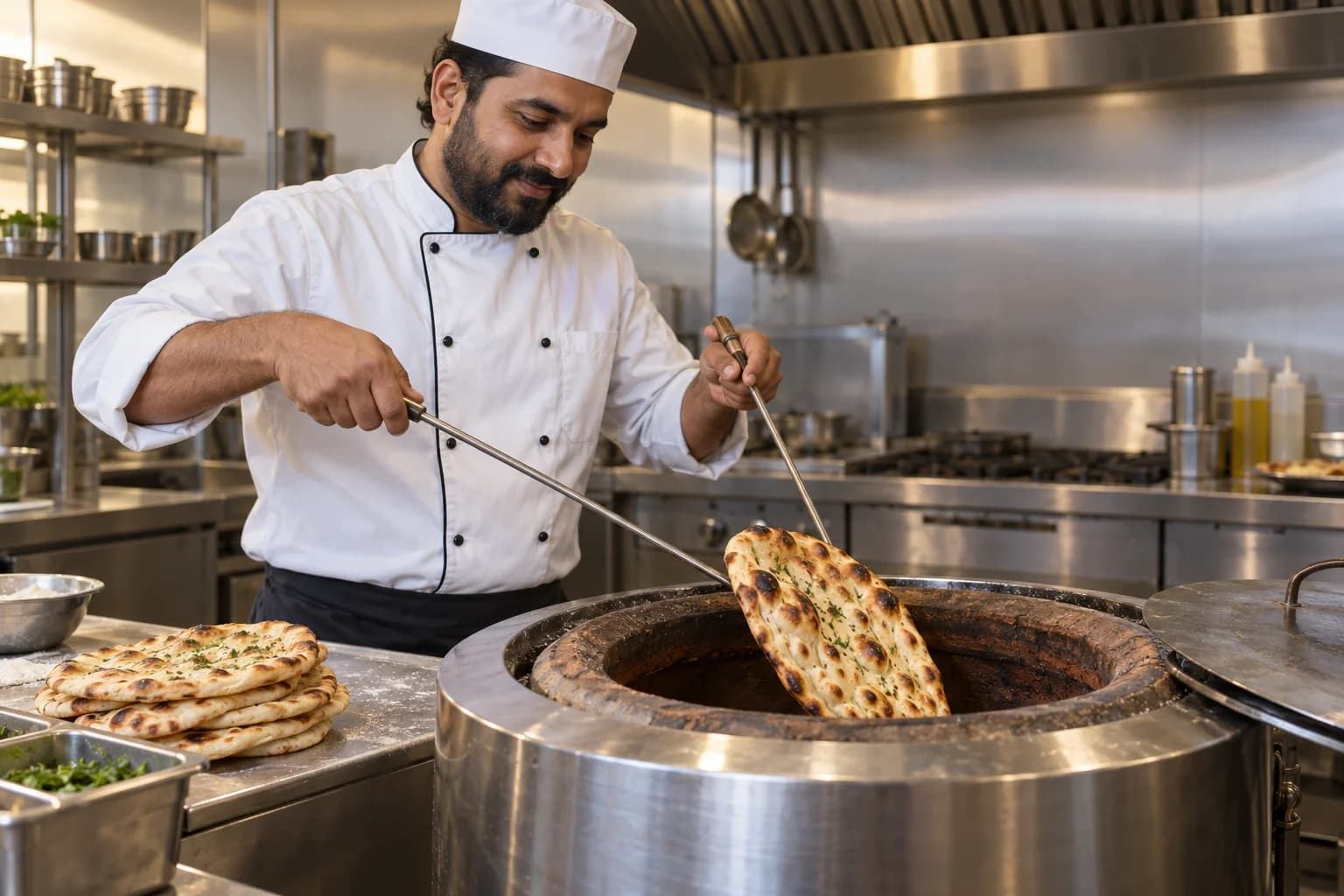
Mains carry the greater weight. Biryani offers fragrance and scale. Karahi offers intensity, gloss and the pleasure of sauce meeting bread. Daal makhni gives depth and softness. Saag brings earthiness. Lamb curry or Kunnah can provide a memorable centre. Meat pilau gives a gentler rice dish with its own savour. The point is not to include every possible dish, but to build a table where each one has a reason to be there.
At family events, variety also has to respect pace. Too many heavy dishes can make the meal feel like an endurance test. Too many sharp or snack-like elements can leave guests wanting substance. A considered menu moves between crisp and soft, rich and fresh, meat and pulse, rice and bread, heat and sweetness. It gives the appetite somewhere to go.
Considered menus understand that contrast is a form of generosity.
Children often reveal whether a menu has been designed with real people in mind. They may not care about culinary ambition, but they know if chicken is tender, rice is comforting, and spice is beyond them. Elders reveal another truth. They recognise when classics have been respected rather than merely named. A daal that tastes thin or a biryani that tastes tired cannot hide behind variety.
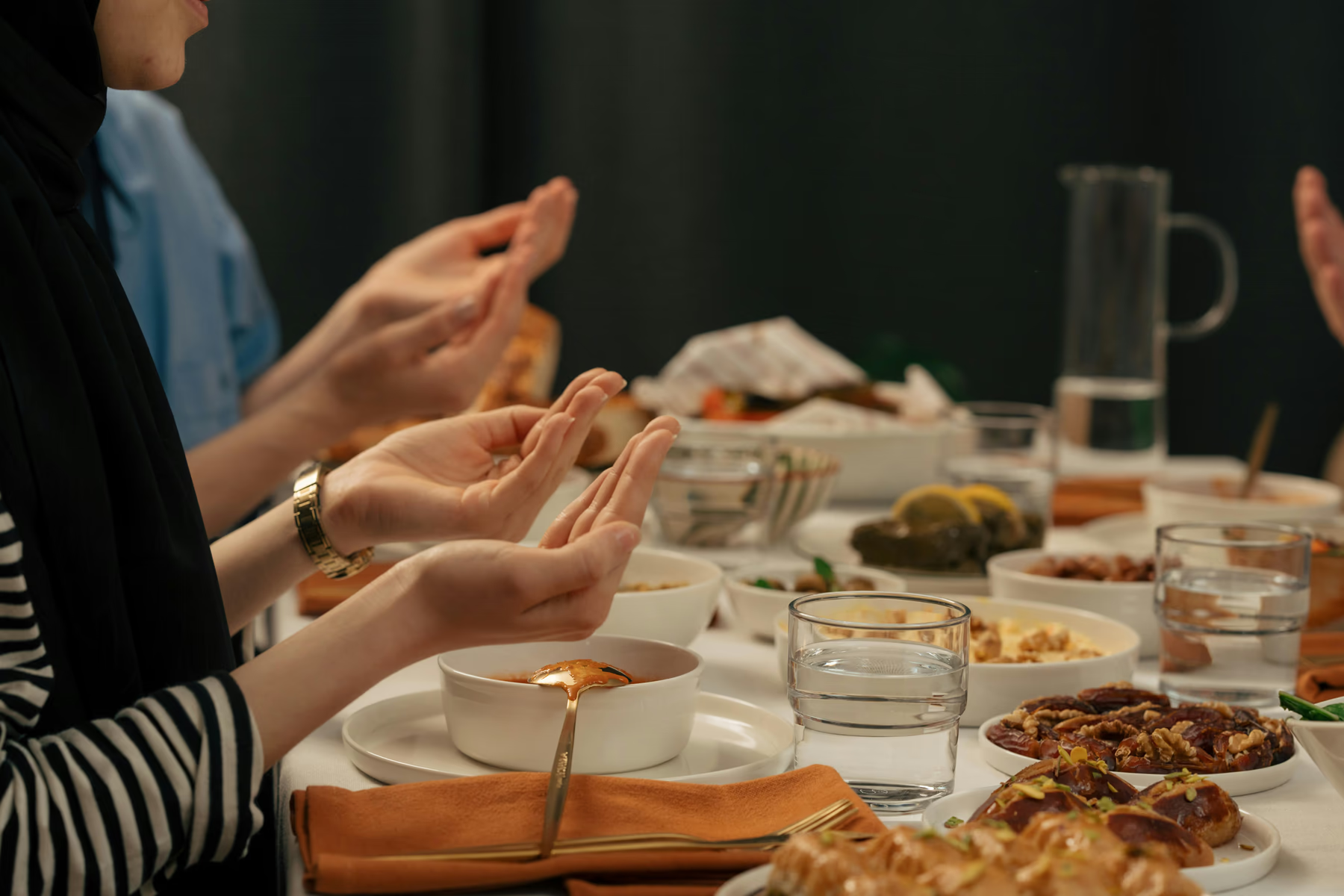
Friends from outside the culture may approach a Lahori table with curiosity. They might begin with kebabs or samosas, then move towards biryani or karahi as confidence grows. A good menu gives them access without diluting the food. It does not apologise for spice, but it offers texture, freshness and explanation through the arrangement of dishes.
Sweet dishes complete the design. Gulab jamun, gajjar ka halwa, vanilla ice cream, fresh strawberries: each offers a different kind of ending. Syrup, warmth, cooling softness, fruit brightness. Dessert does not need to be loud after a rich meal. Sometimes the most elegant ending is fresh colour and lift, especially after lamb, karahi or deep daal.
The January language of timeless classics and bold new flavours points towards a useful tension. Classics matter because they carry memory. Newer or brighter elements matter because events are living rooms, not museums. A menu should not freeze heritage in place. It should let it breathe at the table where today's family is actually eating.
Heritage is strongest when it can feed the present tense.
There is craft in knowing when not to add another dish. A menu can become anxious, trying to please everyone by multiplication. But too many options can weaken the meal, spreading attention thinly and making service harder. Delight often comes from editing: choosing the right kebab, the right rice, the right main, the right vegetarian or pulse dish, the right sweet finish.
For hosts, a varied menu offers reassurance. It says guests with different appetites will find themselves somewhere on the table. It says the meal will have movement. It says no single dish has to carry the whole evening alone. But the Lahori centre must remain clear: spice handled with care, meat cooked with patience, rice treated properly, hospitality expressed through abundance and balance.
At the end of a mixed family event, success sounds like many different comments. The kebabs went quickly. The biryani had fragrance. The karahi had depth. The daal was comforting. The strawberries looked beautiful. The children ate. The elders approved. Someone asked who catered. The host finally exhaled.
That is delight in its most useful form: not a flashy promise, but a table where many people, with many expectations, find enough pleasure to feel looked after.