Iftar after the long day
After fasting, the table should restore rather than overwhelm: crisp starters, fragrant mains and sweetness held in balance.
occasion · Royal Lahori Chef Kitchen · 16 March 2026 · 8 min read
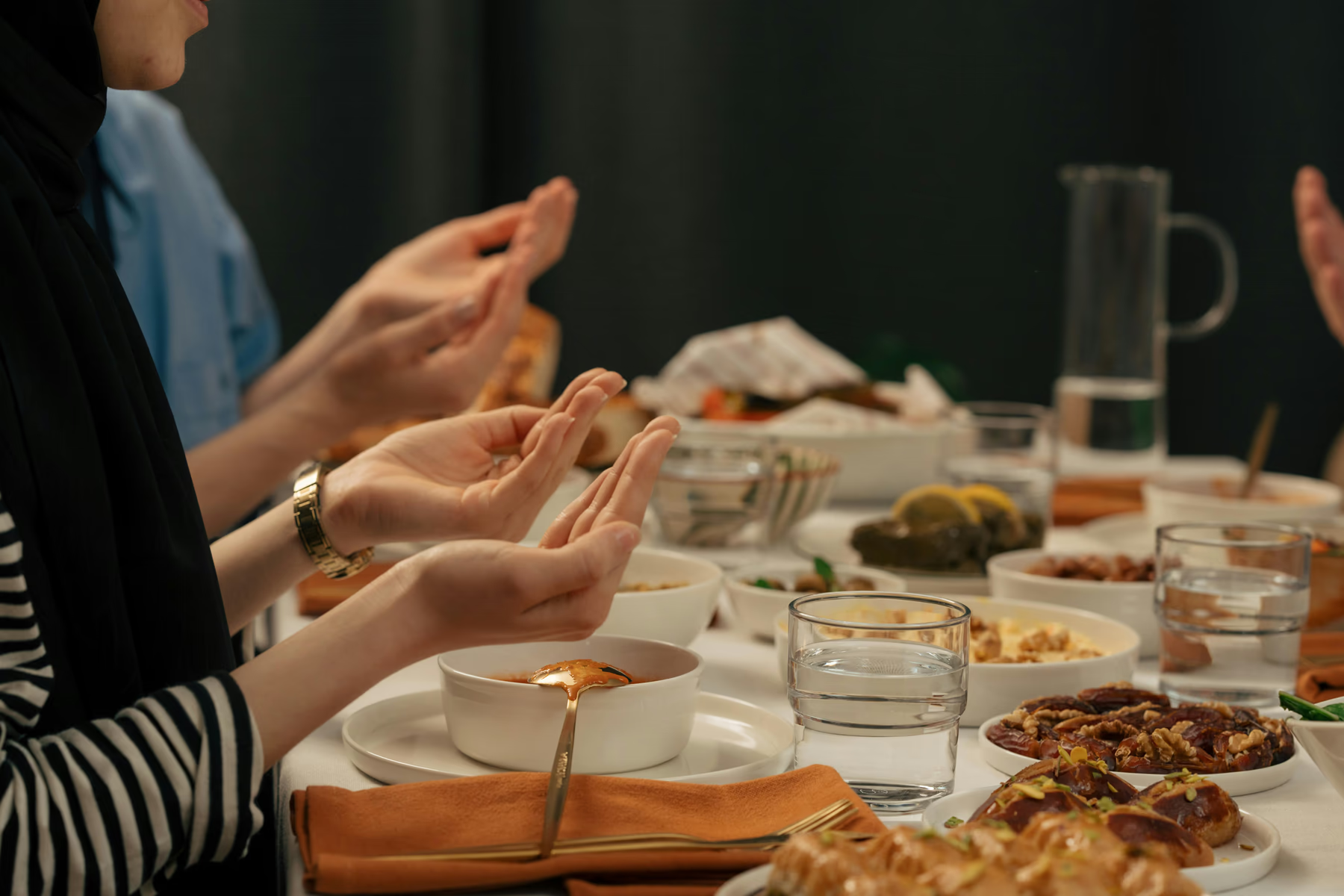
The minutes before iftar have their own stillness. Even in a busy house, where someone is checking the time and someone else is moving plates, there is a hush beneath the noise. The day has been long. Hunger is present, but so is discipline. Thirst sharpens the senses. The smell of frying pastry, toasted spice or warm rice seems to travel further than it should, threading itself through rooms and down hallways.
An iftar table needs restraint as much as generosity. This may sound odd when the eye meets samosas, pakoras, chana chaat, biryani, karahi, daal, saag and sweet things, but after fasting the appetite is not a blunt instrument. It is alert. It notices texture first: the brittle edge of a samosa, the rough crispness of pakora batter, the coolness of chana chaat against the tongue. These first bites matter because they bring the body back gently.
Iftar is not a race towards fullness. It is the careful return of warmth.
Samosas and pakoras do a job that is both practical and emotional. They give the table immediate pleasure, something to hold, something crisp, something that feels celebratory without needing ceremony. A good samosa should not collapse into oil. It should break cleanly, releasing a spiced filling with enough heat to wake the mouth but not bully it. Pakoras should be attractively irregular, each one catching at the edges, each one carrying a little crunch and softness together.
Chana chaat is the necessary brightness. In a Ramadan spread, where rich dishes can gather weight, chaat brings lift: chickpeas, spice, perhaps onion, coriander, yoghurt or tamarind depending on the house style, all working towards a tang that makes the next mouthful possible. It is food with punctuation. It cuts, pauses, refreshes.
Then the mains arrive with deeper responsibility. Biryani at iftar should not feel like a dare. It should be fragrant, the rice distinct, the meat tender, the seasoning travelling through the dish rather than sitting on top of it. Biryani is often described as aromatic, but that word only earns its place when the lid comes off and the room changes: steam, cardamom, browned onion, meat, the faint sweetness of rice cooked properly.
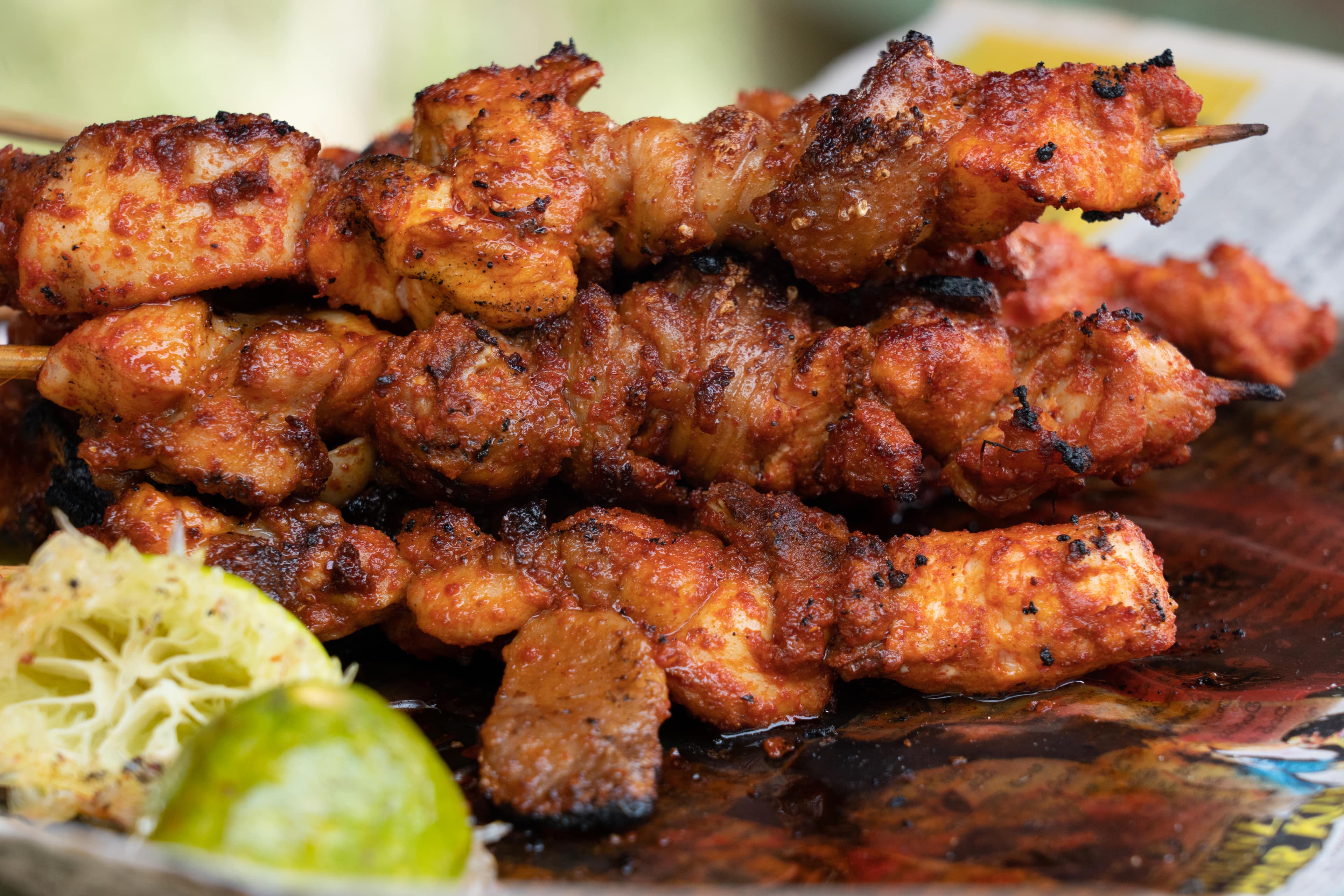
Karahi belongs to the appetite that has returned more fully. Lamb or mutton karahi has a savoury insistence, a glossy reduction that clings to bread and asks for attention. Its richness makes sense after a day of restraint, but only if balanced by the rest of the table. Daal makhni and saag are important here. They are not background dishes. Daal gives depth and comfort, the kind of spoonful that feels almost restorative. Saag brings earthiness, a dark green seriousness that steadies the plate.
The Ramadan table works best when every rich thing has something fresh, sharp or soft beside it.
There is a British Ramadan rhythm too: school runs around fasting, work emails answered with a dry mouth, buses, traffic, kitchen clocks, WhatsApp groups alive with times and plans. Iftar has to meet people where they are. Some arrive quietly, wanting water and a small bite. Others arrive with stories from the day. Children may be excited by the spread before they understand the fatigue it answers. Elders may look first for the dish that feels familiar, the one that does not need explanation.
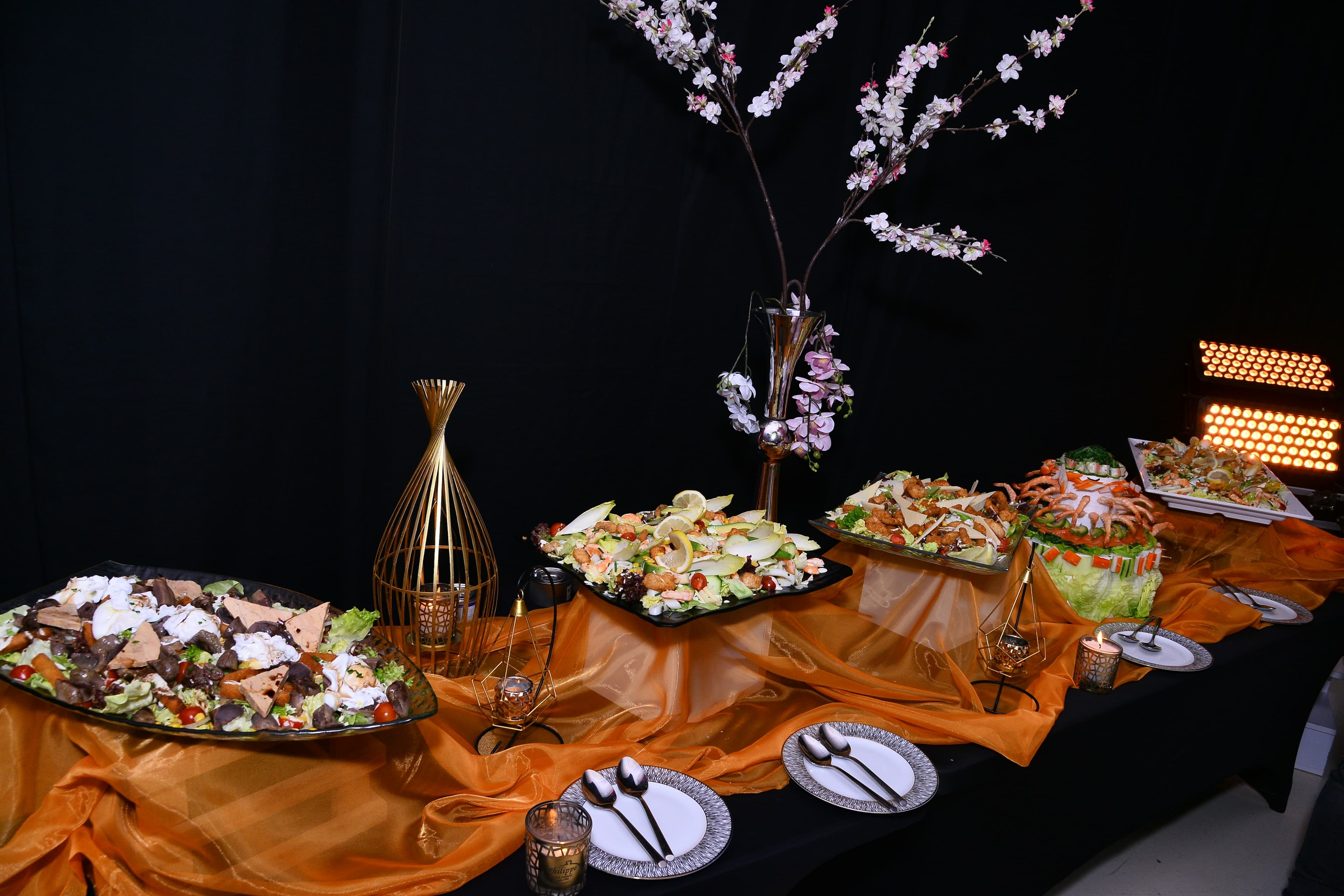
This is where good catering has to be attentive rather than showy. The food should hold heat. It should travel well. It should arrive with enough structure that families can serve without fuss. No one wants a table that needs managing when the call to eat has arrived. A thoughtful iftar spread gives the host back to the room.
Sweet dishes at the end should also understand the day. Gulab jamun and gajjar ka halwa are generous pleasures, but their sweetness lands differently after fasting. Gulab jamun offers syrup and softness, a small round indulgence that feels festive without needing a large portion. Gajjar ka halwa is warmer, deeper, with carrot cooked into something rich and almost velvety. After spice and salt, these dishes are not excess. They are closure.
The danger in writing about iftar is to make it sound purely picturesque: lanterns, dates, glowing tables. The lived reality is more textured. There are tired faces, cramped kitchens, late arrivals, traffic, toddlers, someone searching for serving bowls. The beauty is not in perfection. It is in the fact that, after a long day, people still gather and make room for one another.
The first sip and the first crisp bite can feel as ceremonial as any speech.
Food cannot carry the spiritual weight of Ramadan by itself, and it should not pretend to. But it can honour the human part of the day: the body that has waited, the family that has planned, the guest who arrives hungry and leaves steadier. A considered iftar table understands replenishment. It offers crunch, fragrance, warmth, softness and sweetness in the right order, so that the evening opens rather than closes around the meal.
Long after the plates are cleared, the smell remains. Fried spice in the air, rice in covered trays, a little halwa saved for later, tea beginning its own quieter service. The long day has ended, not with noise, but with the ordinary miracle of a table doing what it was set to do.