Birthday food that still gets compliments
Memorable birthday catering continues after the last plate, in the conversations guests carry home.
family · Royal Lahori Chef Kitchen · 12 February 2026 · 7 min read
Birthday parties have a different pressure from weddings. They may be less formal, but they are more personal in another way. A birthday gathers people around a single life for an evening: relatives, friends, neighbours, colleagues, children who would rather run than sit, elders who notice everything. The food has to suit the room without taking itself too seriously. It must feel celebratory, but not stiff.
One public review of Royal Lahori Chef captures the afterlife of a successful birthday meal. Shahista describes professional service, confidence from the first conversation, delivery on time, and food whose quality was "wonderful, still getting compliments from guests!" That last phrase is the hook. Compliments that continue after the event are not just praise. They are proof that the meal travelled home in people's memories.
A birthday meal succeeds twice: once at the table, and again in the conversations afterwards.
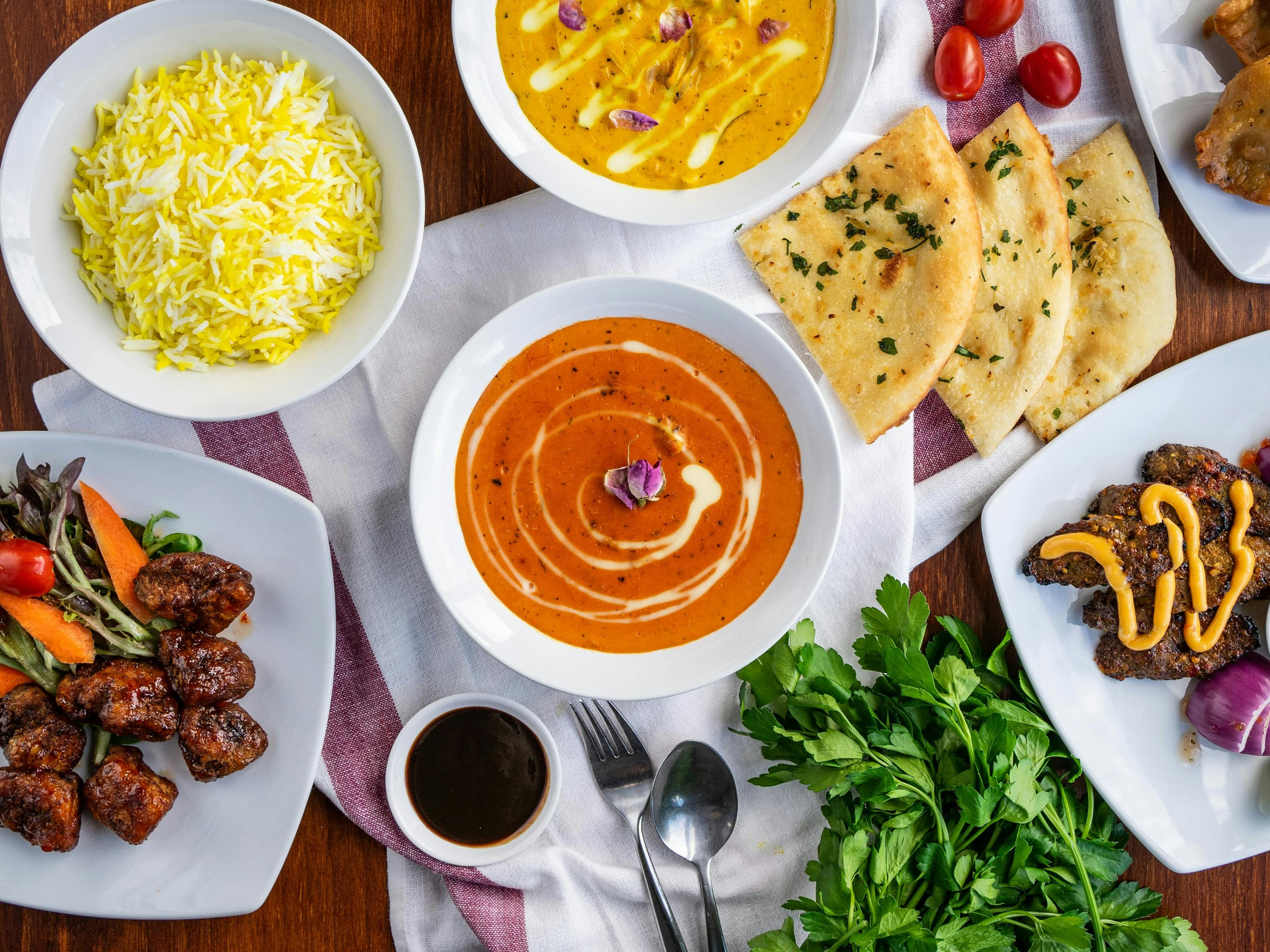
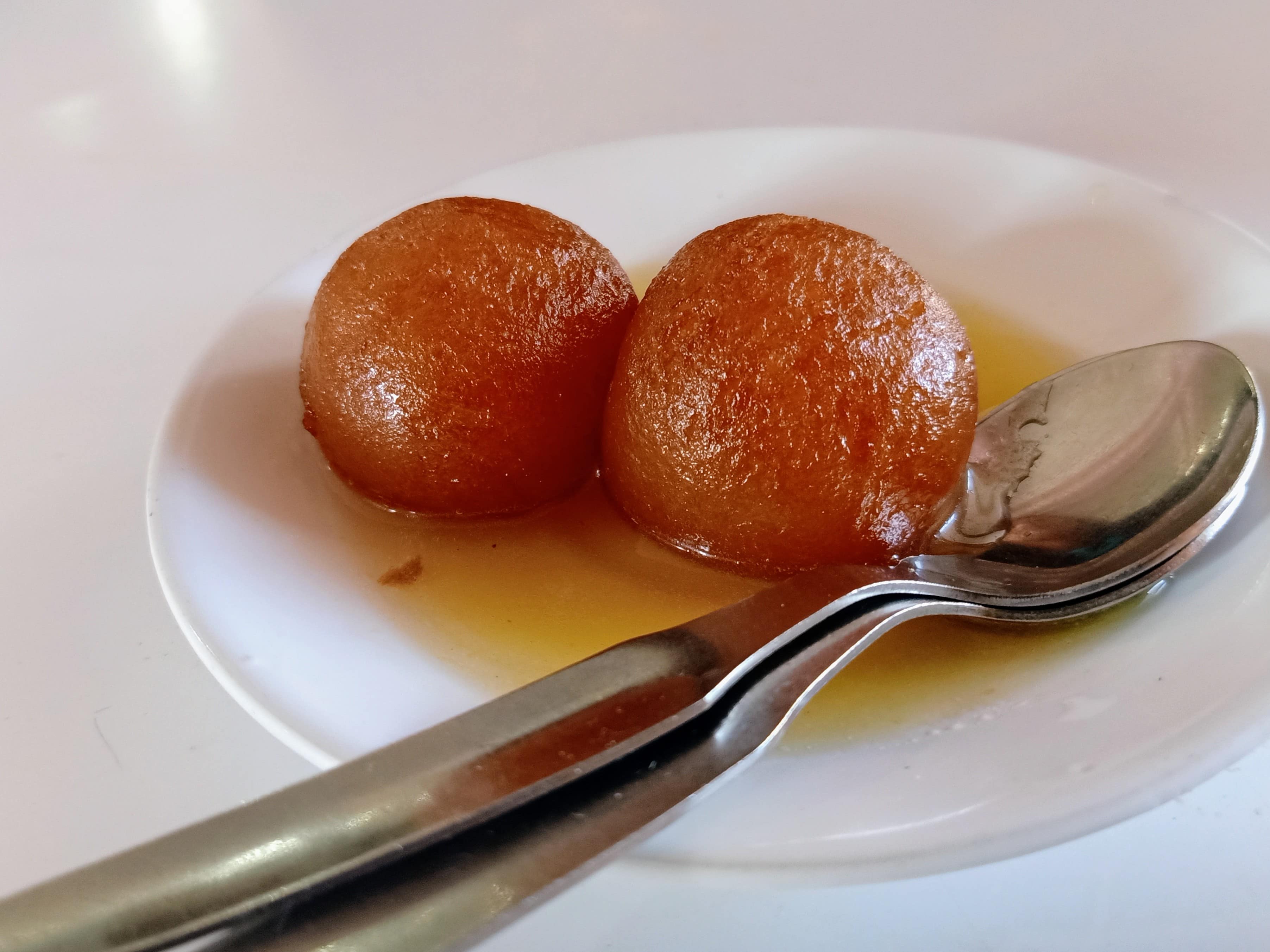
At a birthday, timing matters because the shape of the evening is loose. Guests arrive at different points. Some eat early, some hover, some wait for relatives. Children make their own schedule. A caterer has to provide food that holds its welcome. Starters such as kebabs, samosas or rolls can soften arrivals; mains such as lamb curry, biryani, karahi or daal provide the evening's centre; sweet dishes give the celebration its closing warmth.
The host's emotional state matters too. Birthdays often happen at home or in community spaces where the organiser is juggling decorations, music, guests, photographs and the person being celebrated. Food anxiety can drain the pleasure from the room. Will there be enough? Will it arrive on time? Will it be hot? Will guests like it? A professional service does not merely deliver trays. It removes a set of worries.
That phrase from the review, "instilled confidence", is important. Confidence is not glamour. It is the calm produced by clear communication and reliable delivery. For a host, especially one arranging an important family event, confidence can be as valuable as flavour. It allows them to stop rehearsing possible disasters and begin enjoying the evening.
Good catering lets the host become a guest at their own celebration.
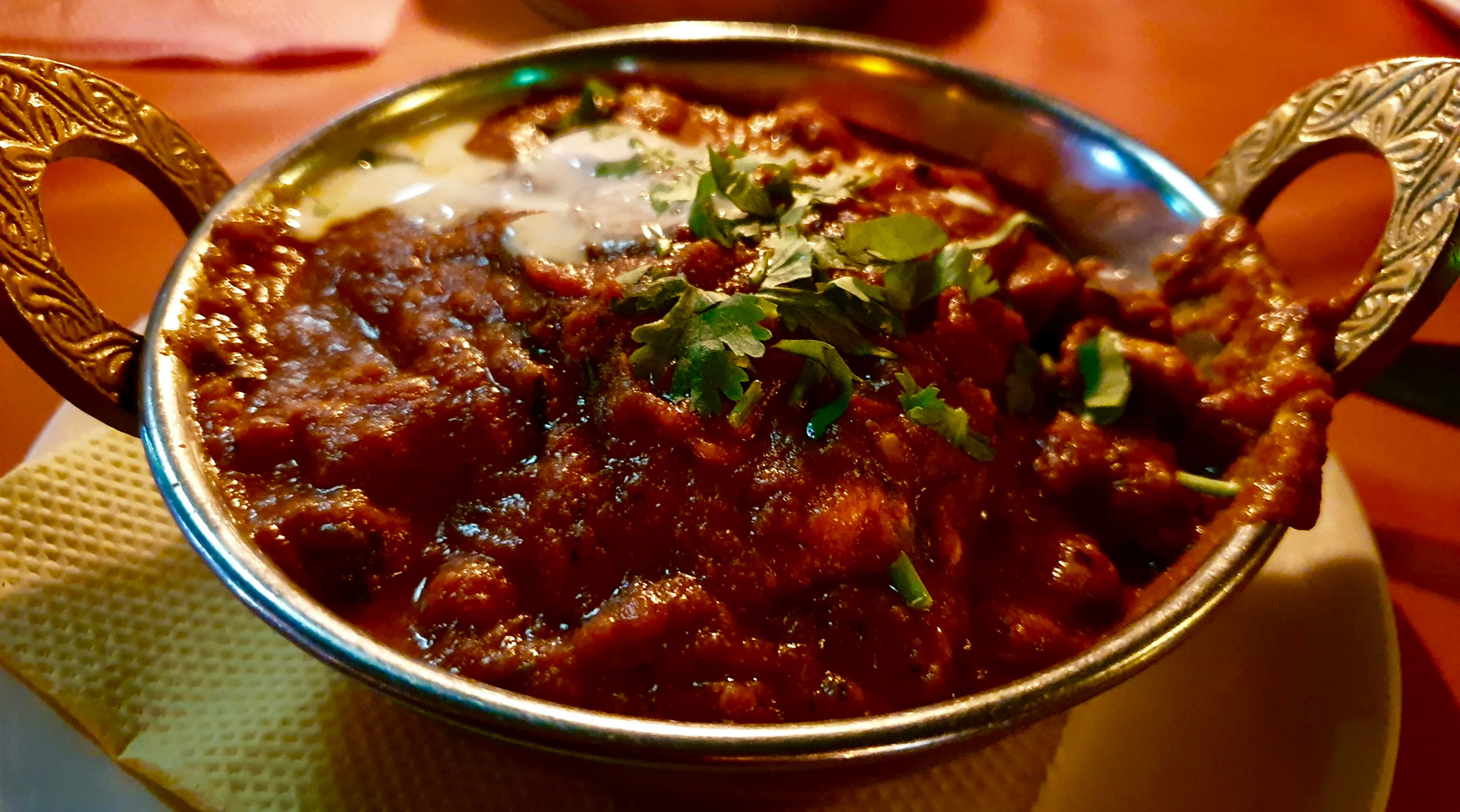
Food for birthdays should also allow for variety. Some guests want spice. Some want comfort. Some will take a little of everything. A lamb curry may become the dish adults discuss; kebabs may vanish quickly; biryani may feed across age groups; sweet things may bring everyone back to the table after the candles. The menu should feel abundant without becoming confused.
There is a particular pleasure in guests complimenting food after an event because it means the meal has become part of the story they tell. They are not only saying they ate well. They are saying the host looked after them. In South Asian hospitality, that distinction matters. Food carries the family's care into public view.
The most successful birthday catering often has an ease that hides the work behind it. The trays appear at the right moment. The food is hot. The service is courteous. The dishes taste like themselves. Nothing needs rescuing. The evening can then focus on the person whose birthday it is, which is the whole point.
This does not mean the food should be anonymous. Quite the opposite. A memorable curry, fragrant biryani or well-seasoned kebab gives guests something specific to praise. But it should not crowd out the occasion. The meal is there to support joy, not demand that everyone become a critic.
The compliment every host wants is not "what a show", but "we were so well fed".
There is a useful distinction between plenty and clutter. Birthday tables can become crowded with good intentions: too many trays, too many choices, too little sense of sequence. A thoughtful spread has enough variety to make guests feel considered, but enough discipline that the food remains legible. Starters should open the evening. Mains should anchor it. Sweet dishes should close it with warmth rather than fatigue. When those parts are in balance, the meal feels generous without making the host feel as if they are managing a warehouse.
The social range of a birthday also makes catering interesting. One table may hold grandparents, siblings, friends from work, children with selective appetites and neighbours who have dropped in because that is what neighbours do. A lamb curry may speak to one group, biryani to another, kebabs to almost everyone. The pleasure is in seeing different appetites find their place. A good menu does not require every guest to eat in the same way; it simply makes sure each guest can eat well.
Service language matters here too. Courtesy is not ornamental. It changes how the food is received. A polite handover at the door, clear labelling, punctual delivery, calm answers to practical questions: these are small acts, but they shape the host's confidence. The birthday person may never notice the details, which is fine. They should be free to receive greetings, cut cake, be photographed and sit down without the evening tugging constantly at their sleeve.
There is warmth in the practical leftovers of a birthday too: a little rice packed away, a sweet dish saved for the next day, a relative asking who catered, someone messaging later to mention the food again. These are small signs that the hospitality extended beyond the event's official end.
Shahista's review also names gratitude. That is where birthday catering becomes more than supply. It enters the emotional ledger of the day. The food arrived, the service held, guests were fed, compliments continued, and the host could look back without regret. For any family celebration, that is no small thing.