The intimate home wedding
Smaller celebrations need food that feels generous without overwhelming the house.
family · Royal Lahori Chef Kitchen · 18 January 2026 · 7 min read
An intimate home wedding is not a smaller version of a grand venue wedding. It is a different creature entirely. The house has its own habits. The hallway narrows at the wrong moment. The kitchen knows too many relatives. The living room has been rearranged beyond recognition and still somehow looks like itself. There may be flowers on a mantelpiece, chairs borrowed from neighbours, children underfoot, and the constant awareness that this is not just an event space. It is someone's home.
Food for this kind of wedding must be generous without taking over. That balance is harder than it sounds. Too little, and the family worries. Too much, and the house begins to feel besieged by trays, boxes, heat and movement. The right catering understands scale as atmosphere, not arithmetic. It feeds the room properly whilst letting the room remain familiar.
In a home wedding, the food has to enter as a guest with manners.
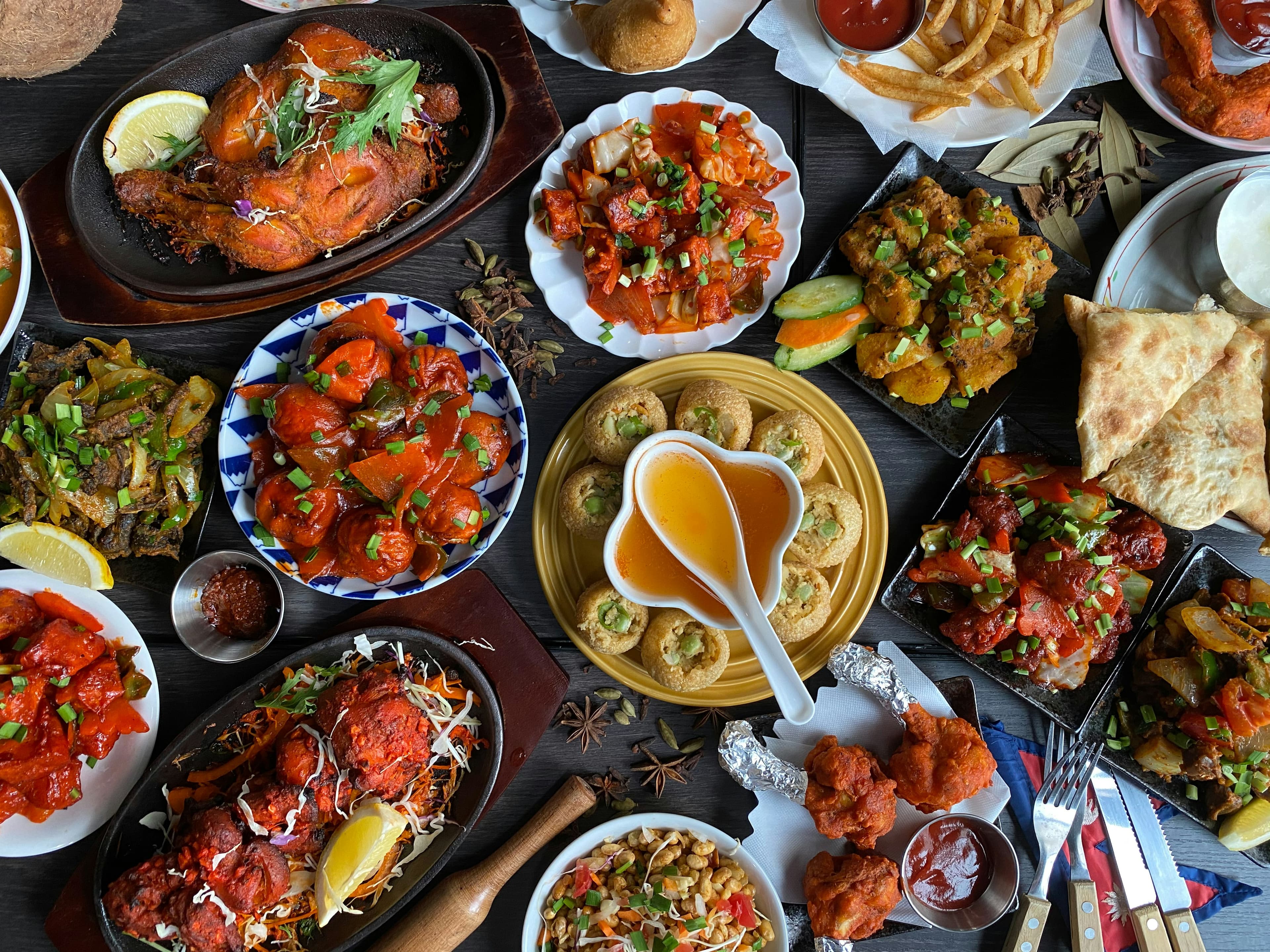
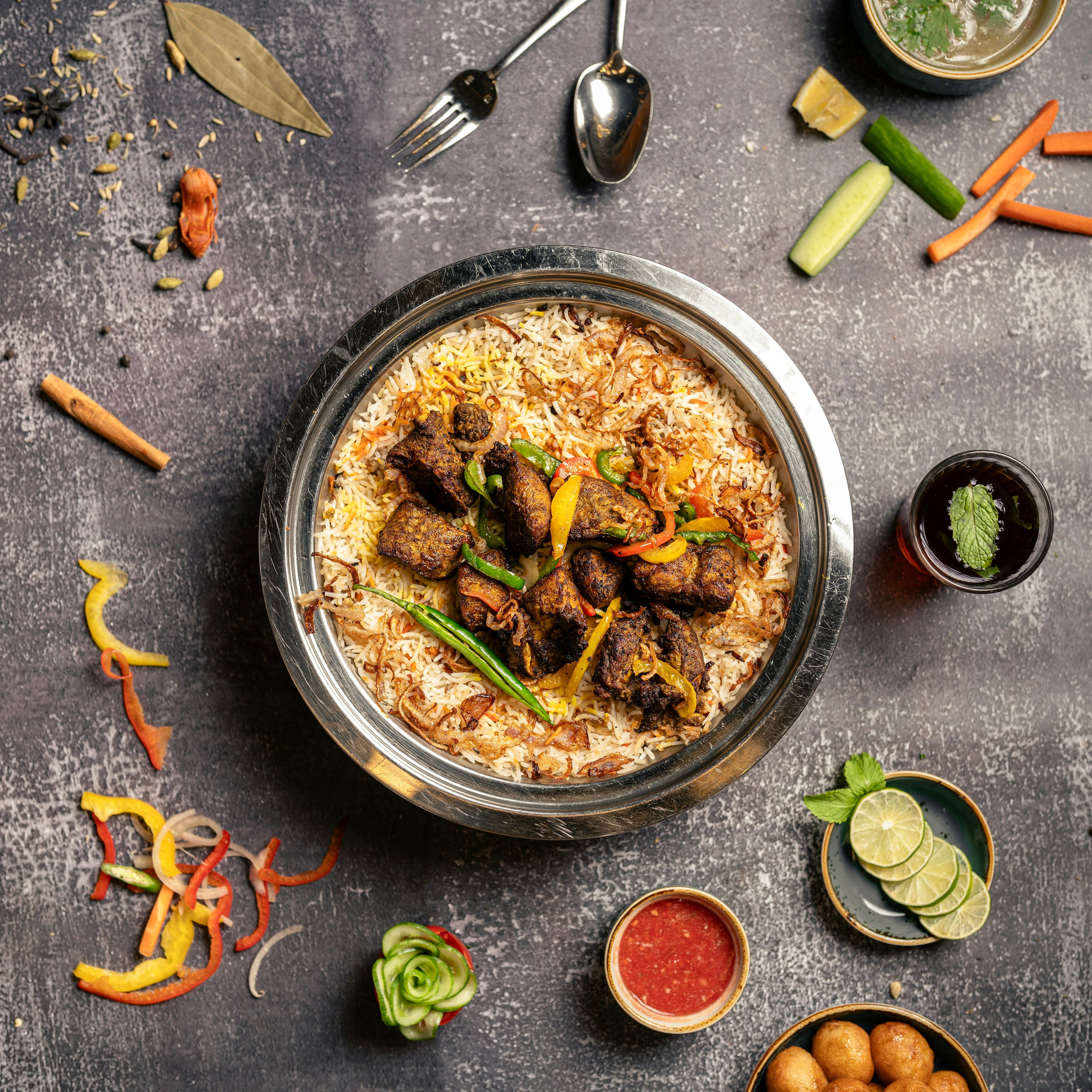
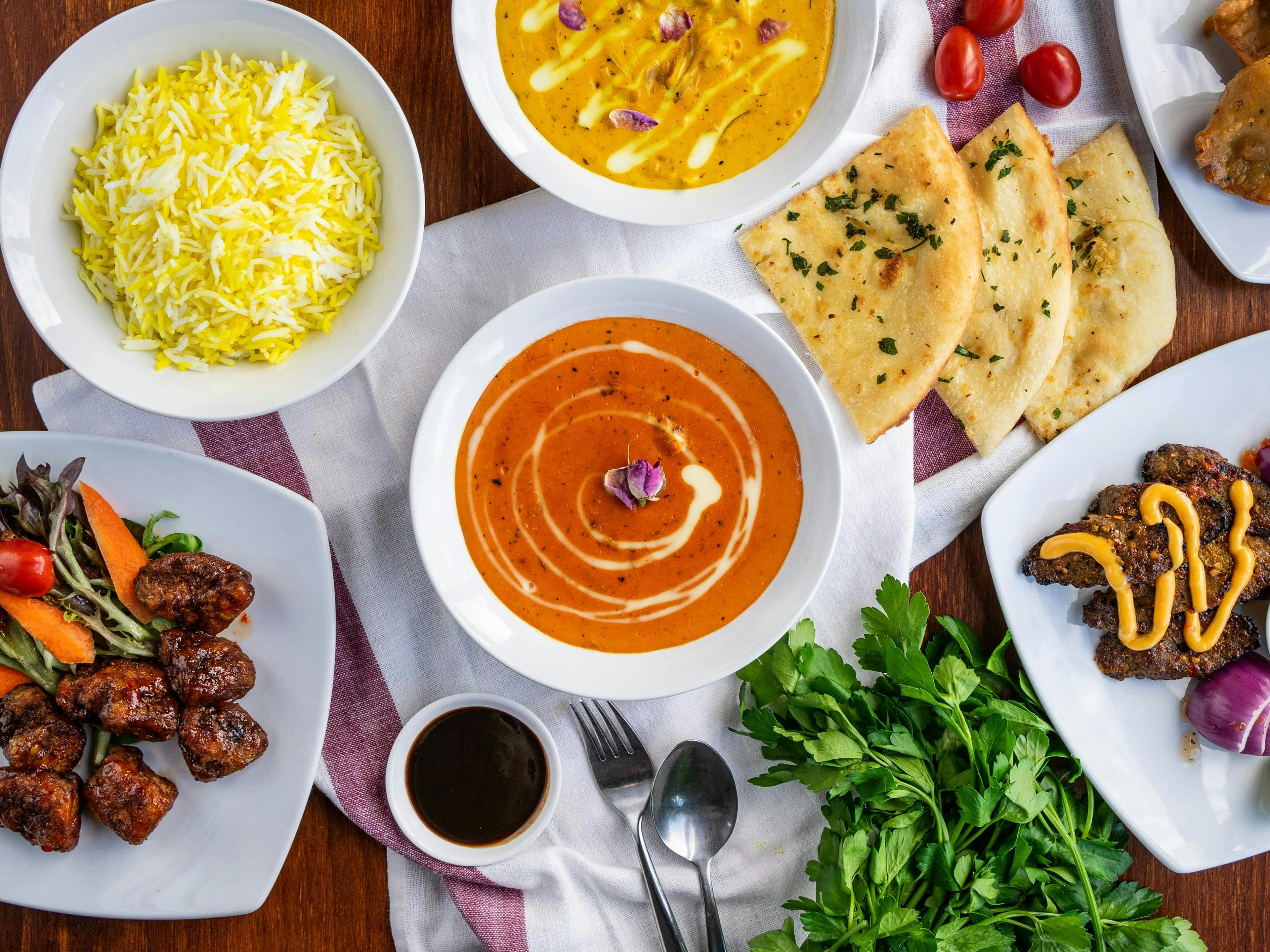
The menu may include wedding staples: kebabs, biryani, lamb curry, karahi, daal, perhaps sweet dishes to close the meal. But the way they are handled changes. Service must be calmer. Movement through the house matters. The timing of hot dishes matters because domestic kitchens rarely have the holding space of a venue. Even the smell matters; a rich karahi can warm a home beautifully, but it must not become the only thing the house contains.
There is great dignity in smaller celebrations. They make fewer announcements and often carry more feeling. Without a large venue to absorb the emotion, everything is close: the bride stepping down a staircase, an auntie crying quietly, someone fixing a cuff, the murmur of relatives in the next room. Food becomes part of that closeness. A tray passed carefully in a familiar room can feel more intimate than a formal service under chandeliers.
The host's position is delicate. At home, families are used to doing everything themselves. They want to look after guests, but on a wedding day they also need to be present. Good catering should not make them feel displaced. It should remove pressure without removing ownership. The family should still feel that the hospitality is theirs, only supported by professional hands.
The finest service at home is the kind that gives a family back to itself.
Practical dishes come into their own here. Biryani is generous and relatively self-contained, fragrant enough to mark the occasion without requiring theatrical service. Kebabs offer easy first bites. Daal gives comfort across generations. A lamb curry or meat dish with real depth can become the centre of the table, especially when eaten with bread and conversation rather than ceremony. Sweet dishes should close the meal warmly, not bury the household in leftovers.
Space shapes appetite. In a venue, guests may queue, circulate, sit at assigned tables. At home, people perch, drift, stand in doorways, carry plates into rooms not designed for dining. Food must be easy to serve and easier to eat. Sauces should not be reckless. Portions should feel abundant but manageable. Considered home-wedding food understands that elegance can be practical.
There is also something moving about the way a home holds the smell of a wedding meal after everyone has eaten. Spice lingers in curtains and corridors. Rice steam softens the air. Sweetness from halwa or gulab jamun mingles with perfume, flowers and tea. A venue is cleaned and reset for the next event; a home keeps the memory a little longer.
None of this requires sentimentality to be powerful. A home wedding is full of logistics: parking, timing, delivery access, tables, serving space, dietary needs, relatives arriving in waves. But those logistics are in service of intimacy. They allow the day to feel unforced. When handled well, guests do not see the effort. They see a family celebrating in its own rooms, fed properly and calmly.
Smaller does not mean slighter. Sometimes it means every detail matters more.
The intimate home wedding asks for tact from everyone involved. The food should have presence, but not ego. The service should be visible enough to reassure and discreet enough to preserve the household's rhythm. The menu should feel festive without making the event feel outsourced from its own address.
At the end, when the last guests leave and the house begins its slow return to normal, the family may find traces everywhere: a stack of plates, a spoon by the sink, a little biryani saved, a sweet dish tucked away for tomorrow. These remains are not mess alone. They are evidence that the house stretched, welcomed, fed and celebrated. For a small wedding, that may be grandeur enough.