Why people remember the lamb curry
Guests may forget chair covers, but they remember the main dish that made a table start talking.
heritage · Royal Lahori Chef Kitchen · 7 January 2026 · 8 min read
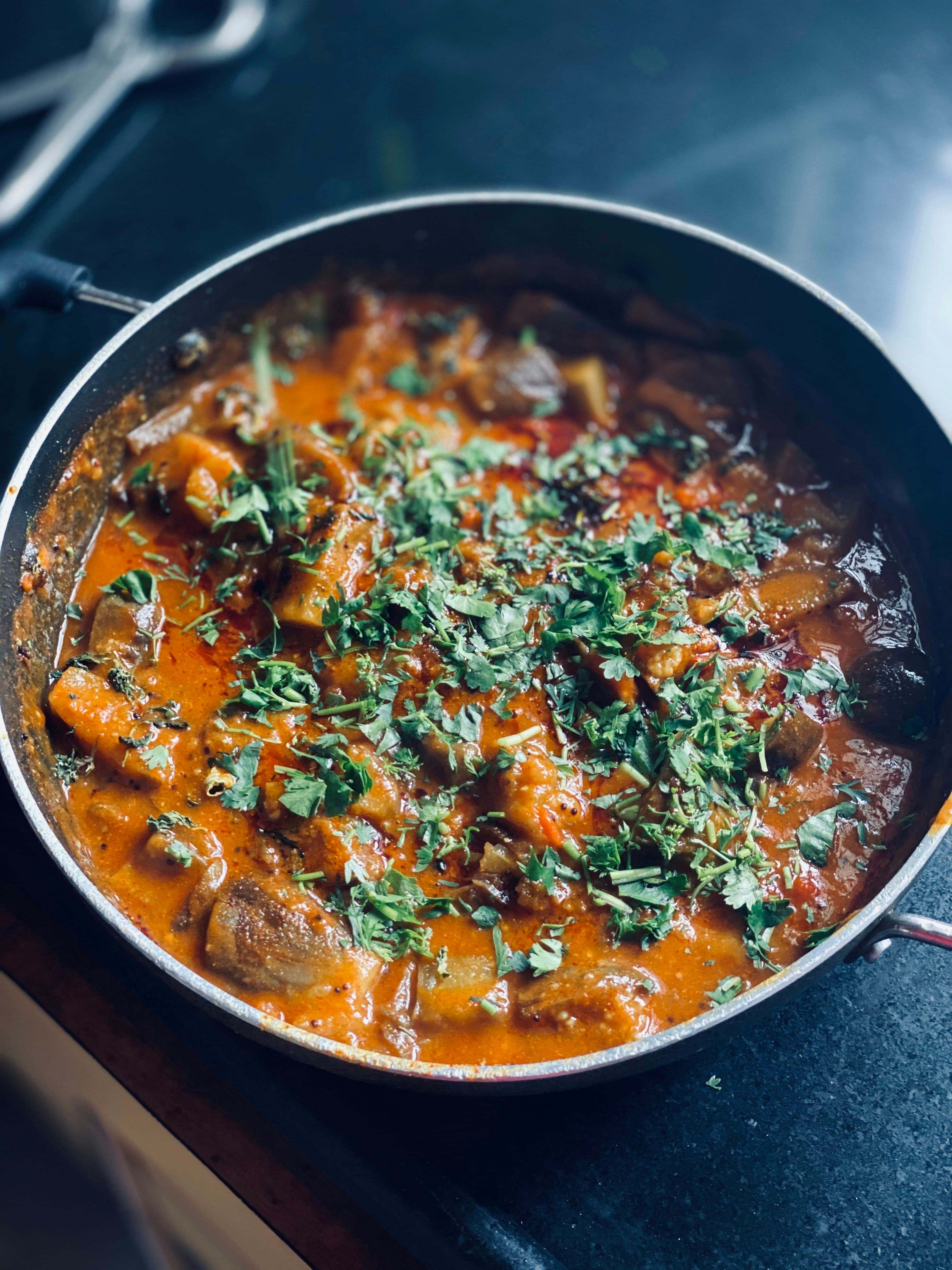
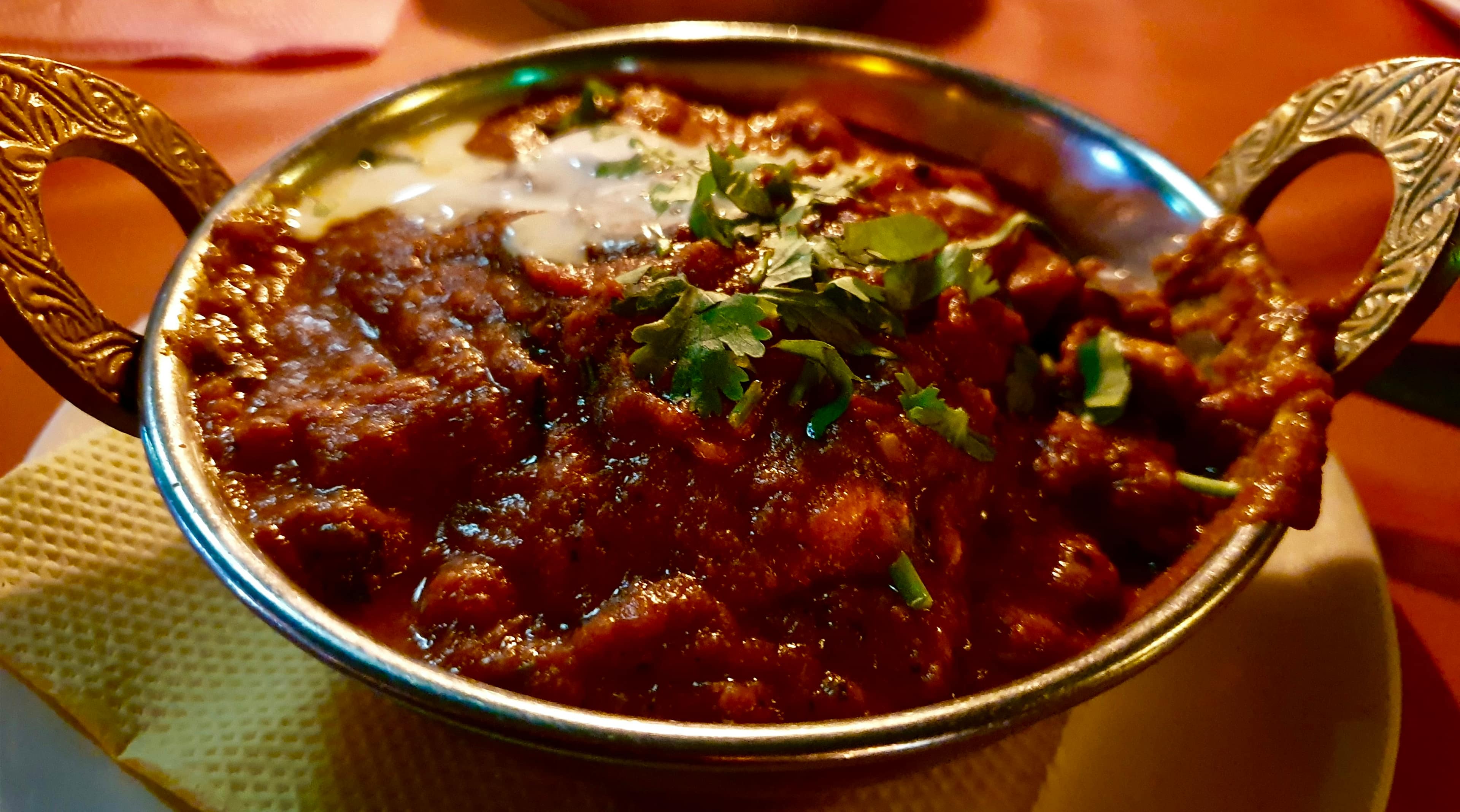
There are dishes that behave politely at events, and there are dishes that enter the family record. Lamb curry, when it is right, belongs to the second group. It is not necessarily the most decorative thing on the table. It does not always photograph with the clean lines of a dessert or the neat geometry of a platter. Its authority is deeper and less concerned with appearances. It arrives in aroma, gravy, tenderness and the way people begin speaking about it after the first few bites.
One public review of Royal Lahori Chef puts it plainly, describing the lamb curry and kebabs as the dishes that stayed with them. The line is unvarnished, which is why it carries weight. It is not the language of a press release. It is the language of a guest remembering what mattered after a birthday party. The kebabs mattered too, but the lamb curry became the sentence that stayed.
A memorable curry does not need novelty. It needs depth that keeps unfolding.
Depth is an overused word in food writing, but with lamb curry it is precise. It means spice that has been cooked out properly, not left raw on the tongue. It means meat that has softened without losing itself. It means a gravy with body, gloss and savour, not a thin sauce pretending to be generous. It means heat integrated into flavour rather than scattered over the top as bravado.
Lamb is particularly revealing. It can turn tough if rushed, woolly if neglected, greasy if the balance is wrong. A good lamb curry has to respect both the meat and the masala. The two should not feel like strangers sharing a pot. The gravy should cling, the meat should yield, and the spice should carry warmth, not just volume.
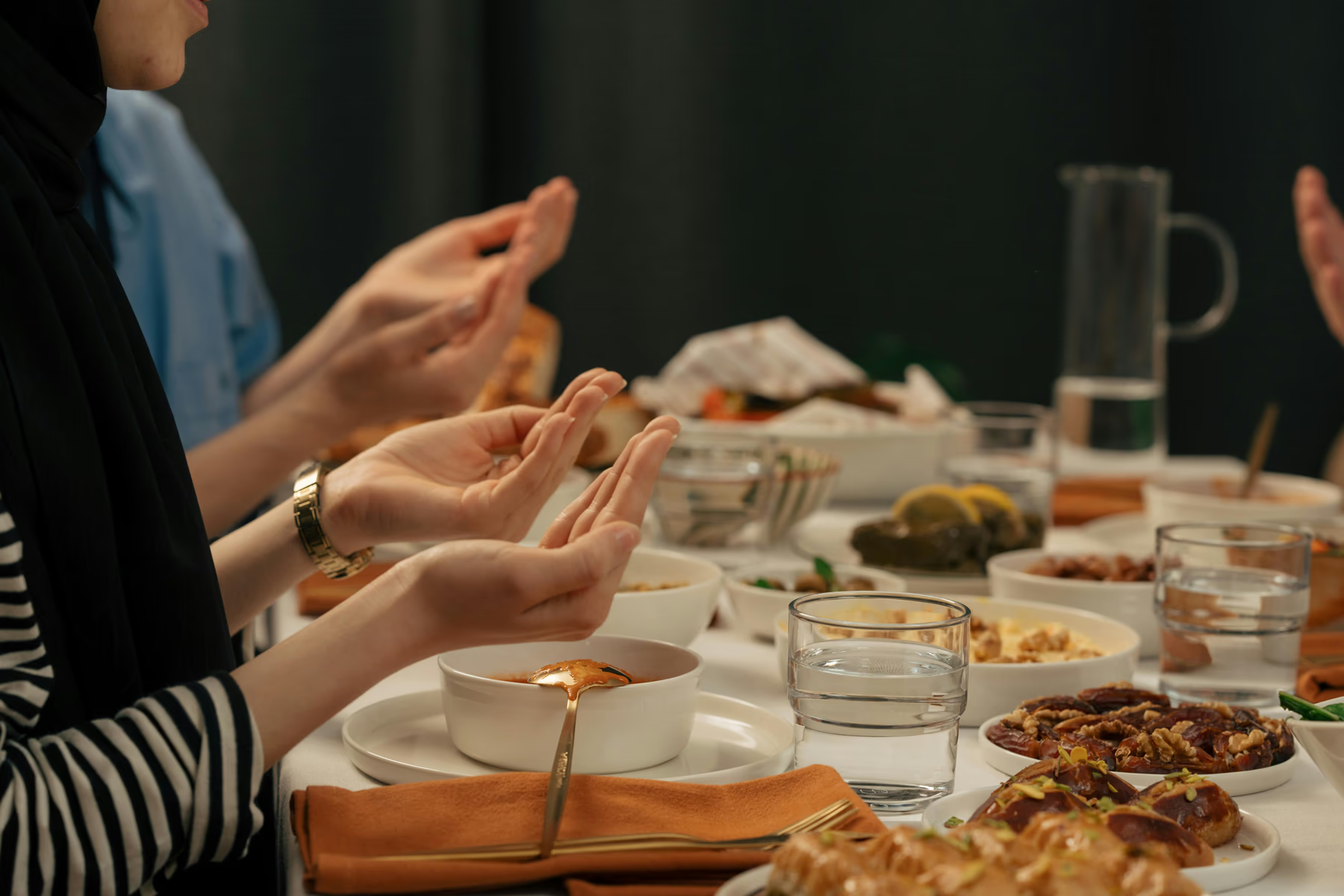
At weddings and family celebrations, dishes like this become social memory because they are eaten collectively. One person at a table says, "Have you tried the lamb?" Another goes back for more. An uncle offers a judgement. Someone compares it with another wedding. Someone who said they were full finds space. The dish becomes conversation, and conversation becomes evidence that the hospitality has landed.
This is why guests may forget expensive details and remember curry. Chair covers, centrepieces, lighting schemes and favours all have their place, but food enters the body. It arrives when people are ready to be pleased or disappointed. It is measured against appetite, memory and family standards. A strong main dish has the power to gather a room's approval in a way few decorations can.
The main dish is where a celebration stops performing and starts feeding people.
Kebabs play a vital supporting role. Their smoke and spice open the appetite, giving guests the first sign that the kitchen knows what it is doing. But a lamb curry has a longer arc. It is the dish people sit with. It meets rice, naan or pilau; it stains the plate; it slows the conversation. In the most generous sense, it makes people less polite. They stop nibbling and begin eating.
There is also trust involved. Families choosing catering for an important event are not only asking whether the food will taste good in a tasting. They are asking whether it will hold its quality at scale, under pressure, in the real conditions of a celebration. Lamb curry that impresses a room is proof of more than a recipe. It proves timing, sourcing, heat control and the ability to serve food with confidence.
The British Asian event circuit has a long memory. People talk. They remember which wedding had the biryani that clumped, which party had the kebabs that ran out, which dinner had the curry everyone praised. Compliments travel across families with surprising speed. So do disappointments. This makes the main dish both opportunity and risk.
What should a remembered lamb curry taste like? It should be warming without being blunt. It should have savoury sweetness from properly cooked onions or tomatoes, spice that blooms rather than scratches, and meat that gives way under the spoon. It should feel generous, but not heavy for heaviness's sake. It should leave a trace of warmth after the plate is cleared.
Long after the room is packed away, people can still taste the dish they trusted.
The point is not that lamb curry must always be the centre of every menu. Biryani, karahi, Kunnah, pilau, daal and kebabs each have their own occasions. But when lamb curry is chosen, it carries a particular expectation. It is familiar enough to be judged and complex enough to reward care. That combination is why it can become the dish guests remember.
At its best, it does what event food should do: it feeds people properly, gives them something to talk about, and leaves the family who hosted feeling that their guests were honoured. The memory is not only of flavour. It is of being looked after by a table that understood the occasion.