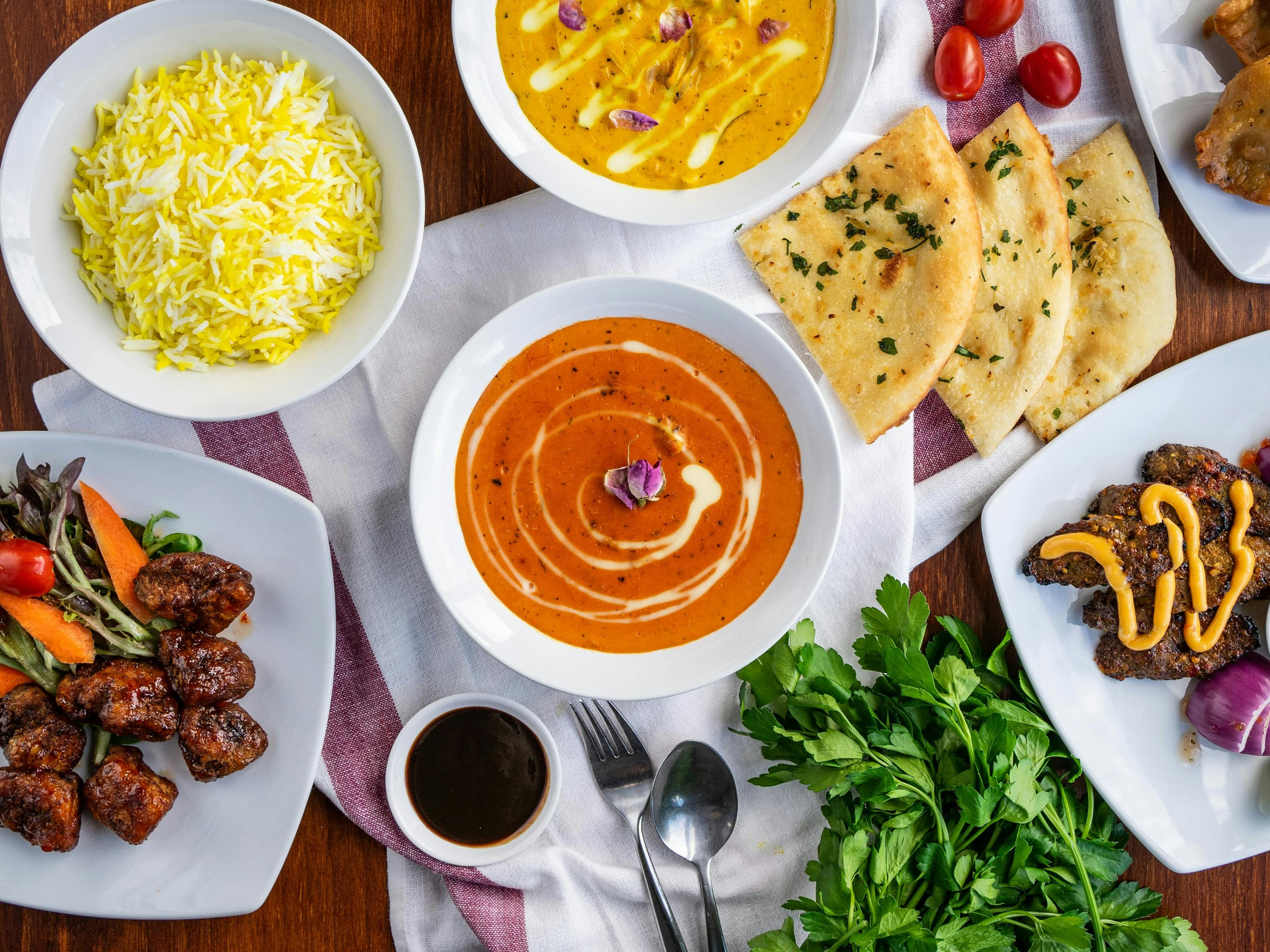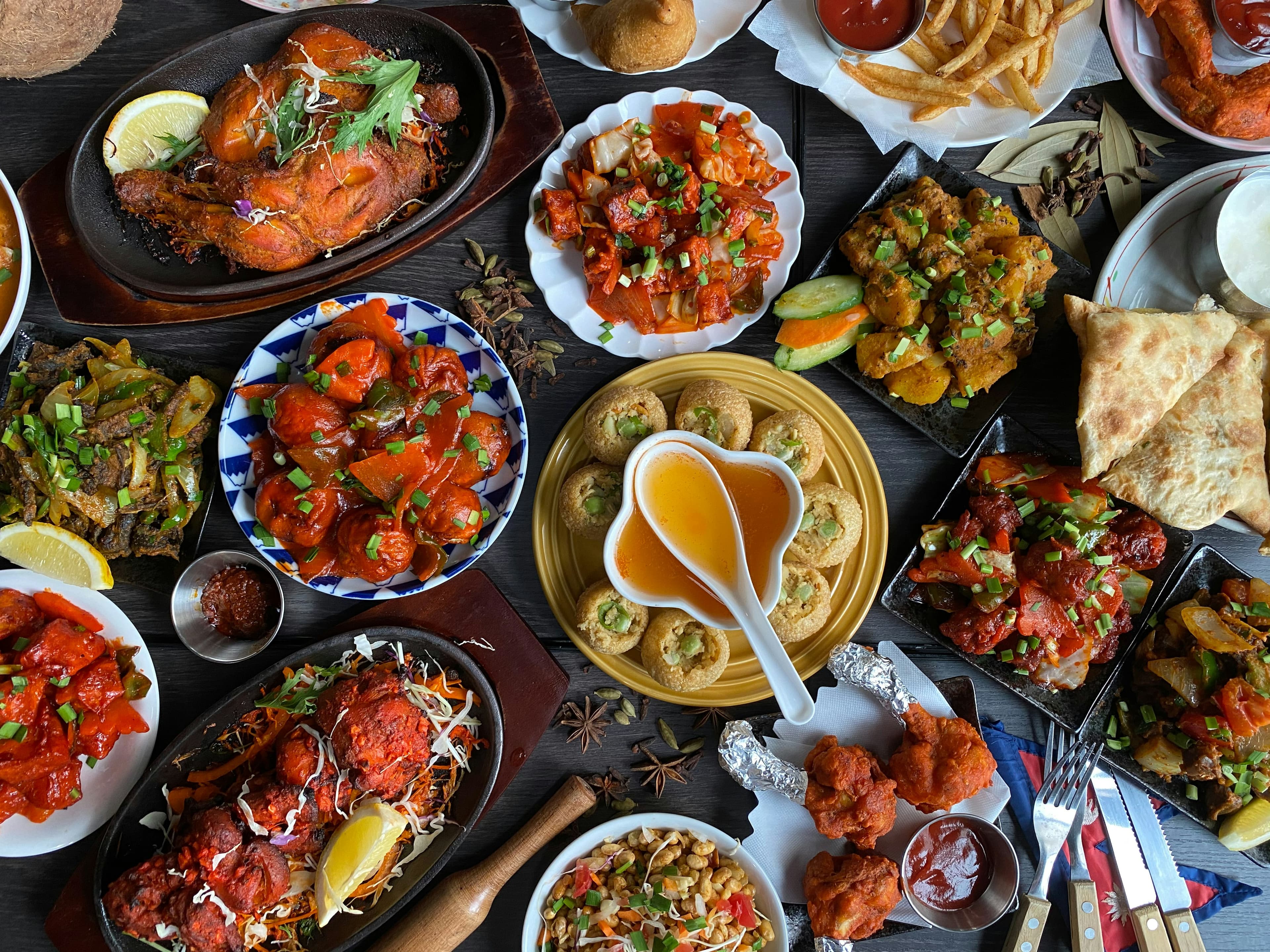
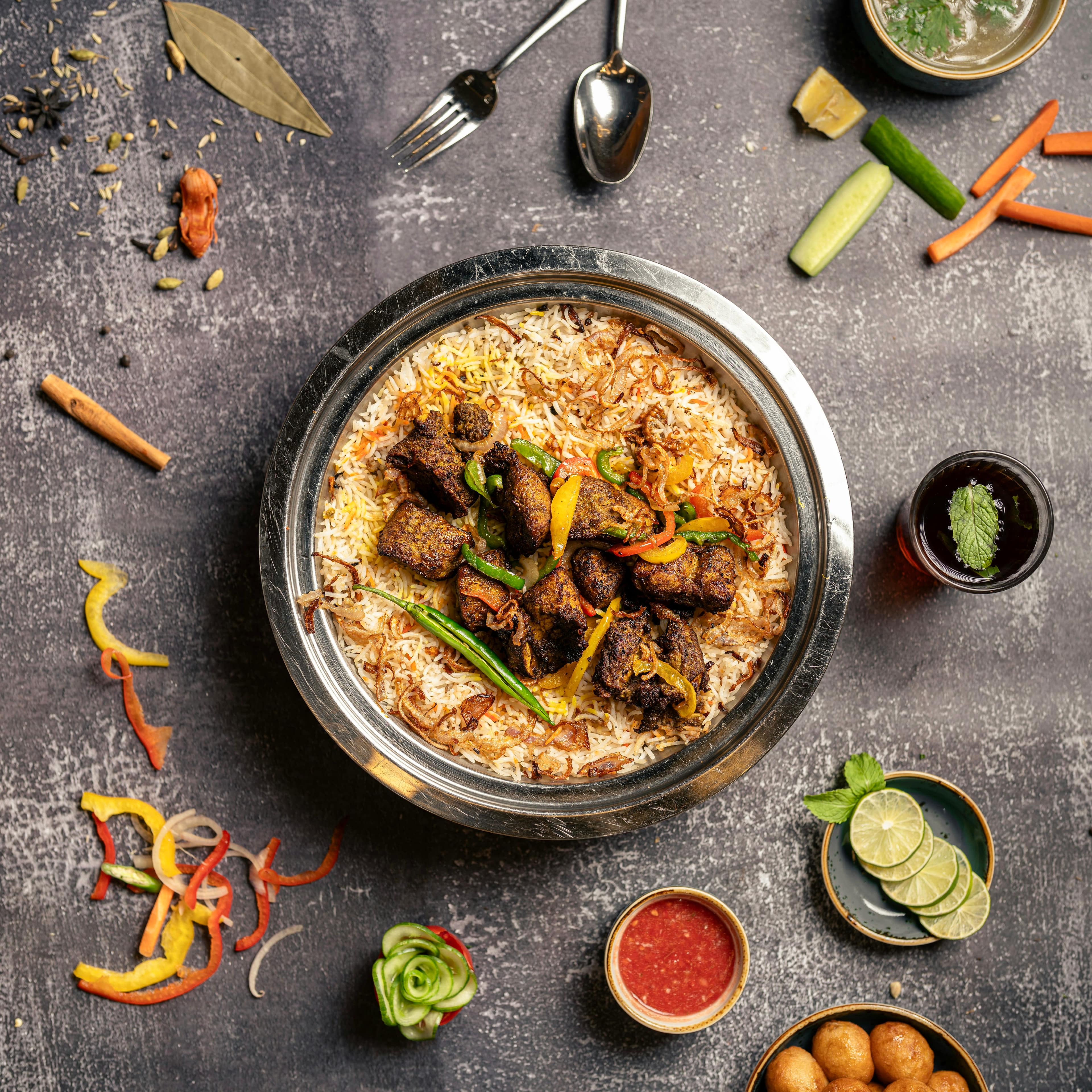
The chicken biryani platter and the generous plate
Generosity in catering means spice, abundance and the practical comfort of knowing no guest leaves hungry.
family · Royal Lahori Chef Kitchen · 30 January 2026 · 6 min read
There is a kind of relief in seeing a generous platter arrive. Not wastefulness, not theatrical excess, but the simple knowledge that there is enough. In family catering, that knowledge changes the atmosphere. The host stops counting. Guests serve themselves more freely. Children can be given second helpings without calculation. Someone who arrives late can still be fed properly.
Halima's public review of Royal Lahori Chef mentions a chicken biryani platter and "plenty of food for 5+ people". It is a practical line, and that is its charm. Food writing can become too ornate around biryani, too eager to turn steam into poetry. But a platter that feeds people well has an honest purpose. It solves hunger with fragrance.
Abundance is not showing off. It is the host's anxiety leaving the room.
Chicken biryani is one of those dishes that carries both familiarity and expectation. People know what they want from it: rice that has not clumped, chicken that is properly seasoned, spice that travels through the dish, enough warmth to satisfy without flattening every other flavour. A platter makes those expectations communal. Everyone sees the rice, the colour, the pieces of meat, the steam rising when it is opened.
A proper biryani has layers without becoming precious. It should invite serving. The spoon should move through rice that feels distinct, not heavy. There should be spice in the aroma before the first bite, and a sense of completion when the chicken, rice and masala meet on the plate. For a family table, it should also be forgiving: able to sit for a little while, feed different appetites, and still feel like an occasion.
Halima also notes that the food was "quite spicy". Spice is personal, of course. What comforts one guest may challenge another. But in Lahori cooking, warmth matters. It should have shape: chilli, yes, but also cumin, coriander, browned onion, cardamom, cloves or other notes depending on the dish. Heat without fragrance is merely noise. Biryani earns its heat when it remains aromatic.
A generous plate should fill the stomach without dulling the senses.
The chicken biryani platter is especially suited to the informal spaces where much of British South Asian family life happens: a birthday at home, relatives dropping in, a small gathering that becomes larger than planned, a weekend meal where no one wants to cook for ten people from scratch. It can sit at the centre of the table without requiring a formal service.
There is also democracy in a platter. Some take more rice, some search for a prized piece of chicken, some add salad or yoghurt, some return later when the spice has settled and appetite has reopened. A dish like this lets people eat according to their own rhythm. That is part of generosity too: not only providing enough food, but allowing guests to approach it comfortably.
The platter also changes the host's posture. A plated meal asks for timing, sequencing and constant attention. A generous biryani platter, handled well, gives the table more freedom. It can be opened, admired, served, returned to and quietly guarded from over-enthusiastic spooning. It allows conversation to continue around the food rather than stopping the room for service. In a family house, that matters. Hospitality is often most relaxed when people can help themselves without feeling abandoned.
Freshness beside the rice matters more than it may seem. Salad, yoghurt, chana chaat or even a squeeze of lemon can keep a biryani platter from becoming one long note. Biryani has richness, warmth and aroma; it wants something cool, crisp or sharp nearby. This is not fussiness. It is how a generous dish remains inviting after the first spoonful. Good abundance needs contrast, otherwise it becomes weight.
The chicken itself has a role beyond protein. It must be properly integrated into the rice, not scattered like an obligation. Pieces should carry seasoning; they should feel part of the same story as the grains, onions and masala. When a guest reaches for another helping, they should not have to choose between flavour and quantity. The generous plate is only generous if the second spoonful is as considered as the first.
The generous plate has deep roots in family hospitality. To feed someone sparsely can feel inhospitable even if the food is refined. To feed someone abundantly, with care and balance, says they were expected. It says their appetite is not an inconvenience. It says the table has room for them.
Of course, abundance requires judgement. Too much food without quality becomes burden. Too much spice without balance becomes fatigue. Too large a platter without freshness beside it can feel heavy. The success of a chicken biryani platter depends on proportion: rice, meat, masala, heat, fragrance and portion all working together.
The comfort of enough is one of catering's quiet luxuries.
After a generous meal, leftovers often become part of the pleasure. Biryani is famous for its second life: a warmed plate later, a lunchbox, a late-night spoonful eaten standing in the kitchen. This is not incidental. For many families, food that continues into the next day extends the hospitality. The event lingers in the fridge, fragrant and reassuring.
The platter, then, is more than a format. It is a statement of care in practical form. Plenty of food. Proper spice. A dish people understand. A table that can relax because no one is going hungry. Sometimes generosity looks exactly like that: a lid lifted, steam rising, and the host finally sitting down.