A wedding caterer is more than a meal
Wedding food is timing, reassurance, memory and logistics before it is ever a buffet line.
occasion · Royal Lahori Chef Kitchen · 3 May 2026 · 8 min read
The phrase "more than just a meal" can sound like a line from a brochure until you have watched a wedding morning unfold. Then it becomes a plain fact. Food at a wedding is never only food. It is timing, reassurance, family diplomacy, appetite, memory, stamina and sometimes weather. It is the part of the day everyone will reach eventually, and the part many guests will discuss long after they have forgotten the order of the speeches.
A wedding caterer enters a day already dense with feeling. Families have spent months making decisions, revising lists, managing expectations and trying to honour tradition without losing themselves to it. The caterer has to understand the emotional temperature of that room. A late tray, a cold dish, a confused service line: these are not small errors when the day is already carrying so much.
Wedding food is logistics wearing the clothes of hospitality.
The visible meal is only the final chapter. Before that come the questions: when will guests arrive, how long will photographs take, what happens if the ceremony runs over, where can hot food be held, who needs feeding first, how does service flow around elders, children and the couple themselves? Good catering begins in these unglamorous details. The romance of the table depends on them.
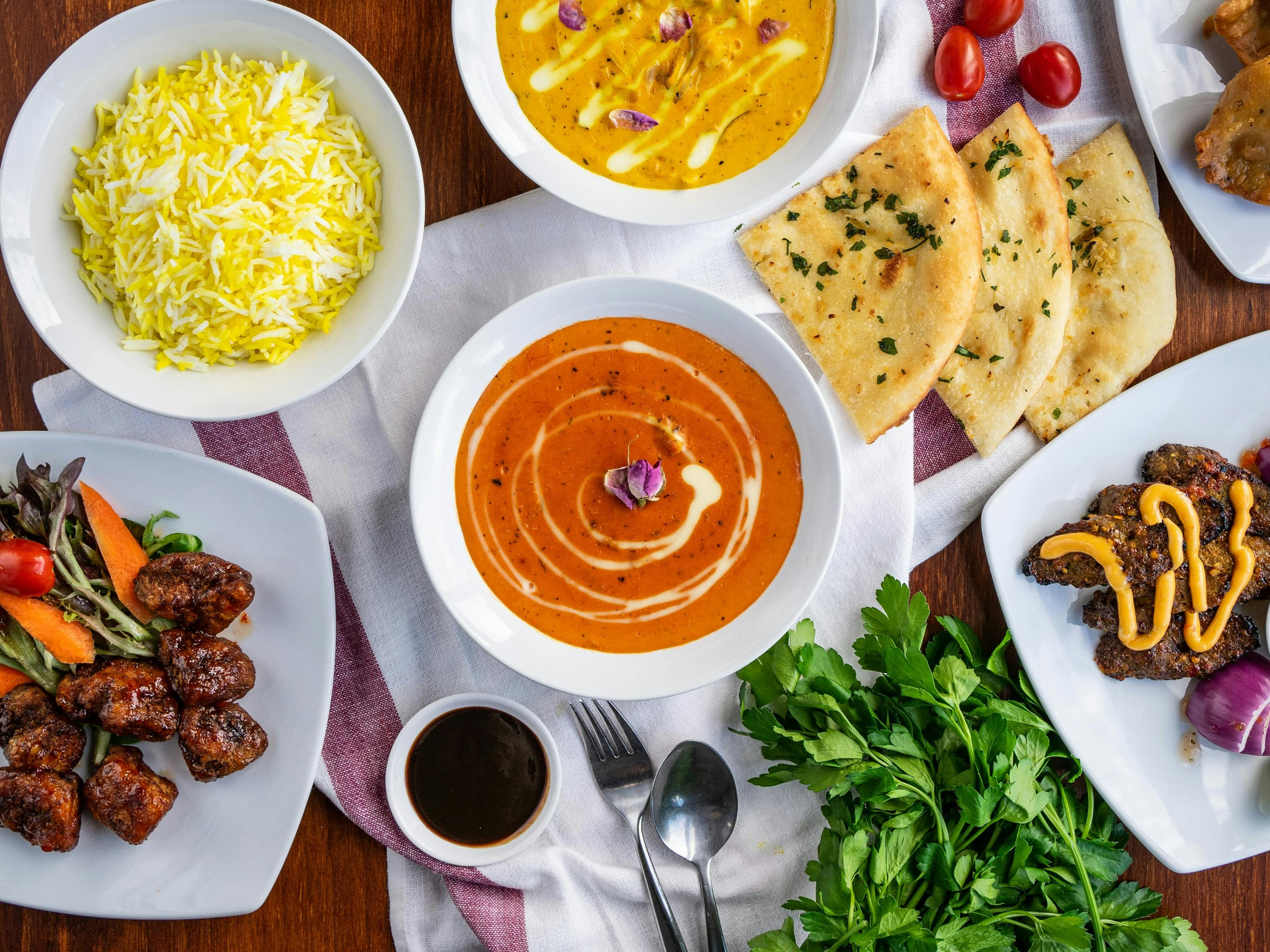
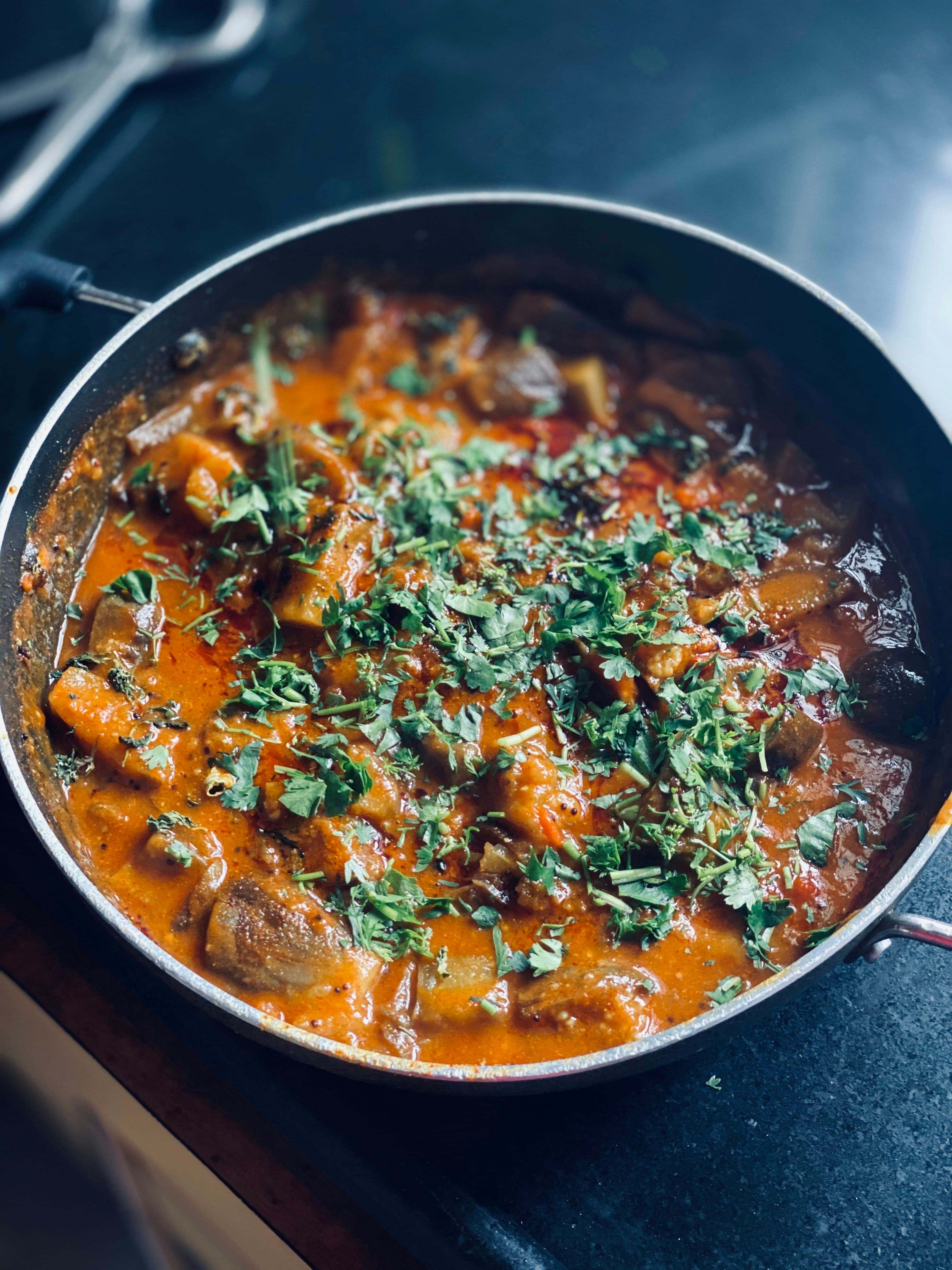
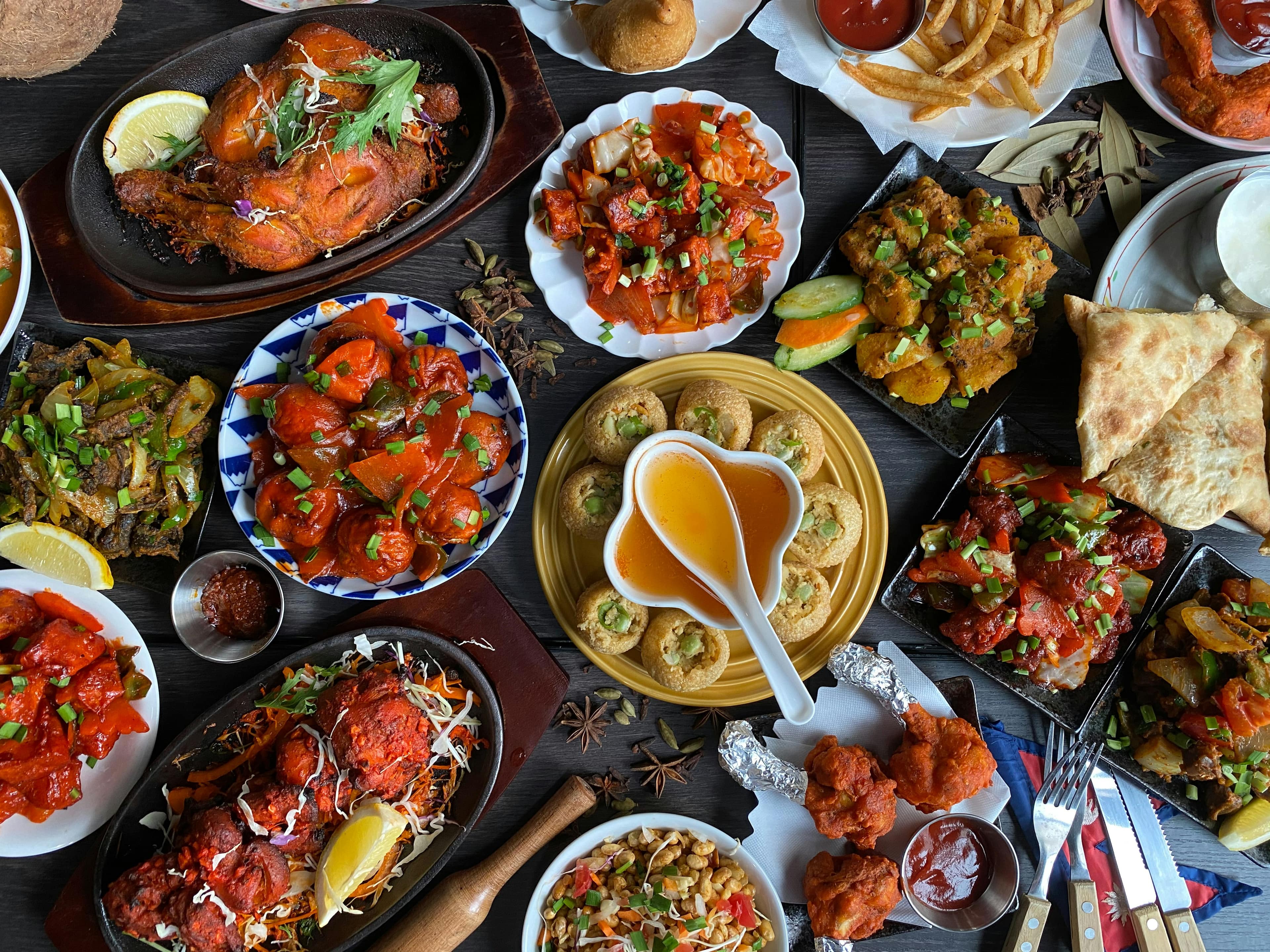
Then there is the menu itself. Lahori wedding food has to satisfy memory without becoming predictable. Seekh kebabs may open the appetite. Biryani brings scale and fragrance. Lamb curry or karahi can be the dish guests return to in conversation. Daal or saag steadies the plate. Sweet dishes mark the end without necessarily ending the evening. Each dish has to carry its own flavour, but also its place in the rhythm of the day.
Guests are not a single appetite. At any wedding there are elders who know exactly how a curry should taste, children who want rice and a little chicken, friends who have travelled far, aunties alert to seasoning, uncles ready to compare the kebabs with three other weddings, and someone who insists they are not hungry until the biryani appears. The menu has to hold them all without turning into chaos.
This is why wedding catering is a form of trust. Families are not simply buying dishes. They are handing over one of the day's great anxieties. They need to know that the food will arrive, hold, serve cleanly, and feel worthy of the occasion. They need to know that if a timing shifts, the kitchen will not panic. They need to know that hospitality can continue even when the schedule behaves like a wedding schedule, which is to say, not quite as planned.
A wedding meal succeeds when the family hosting it can stop managing and start being present.
Memorable wedding dishes also become social memory. Food has a way of cutting through the blur of the day. A guest may not remember the exact colour of the centrepieces, but they will remember the lamb curry that made the table go quiet for a moment. They may not recall every speech, but they will remember a biryani fragrant enough to pull them back for another spoonful. This is not because food is more important than vows or family. It is because food is how the body records celebration.
There is tenderness in the practicalities too. Serving elders first is not merely efficient; it is respect made visible. Keeping trays moving is not merely service; it is the avoidance of embarrassment for the host. Ensuring enough food is not excess for its own sake; it is the comfort of knowing no guest will leave hungry. These are the manners beneath the menu.
British Asian weddings ask caterers to understand more than flavour. They ask them to understand scale, ceremony, family politics, regional expectations, halal standards, venue constraints and the fact that a meal may be judged by people who have eaten versions of these dishes all their lives. There is no hiding behind novelty. The food has to be recognisable and still worth talking about.
There is a particular moment at many weddings when the room changes. The formal programme loosens, plates are filled, and the noise shifts from polite attention to appetite. This is where the caterer either disappears elegantly into competence or becomes painfully visible through mistakes. The aim should be disappearance: hot food, calm service, clear tables, full plates, no drama.
The work of a wedding caterer is to let the meal feel inevitable.
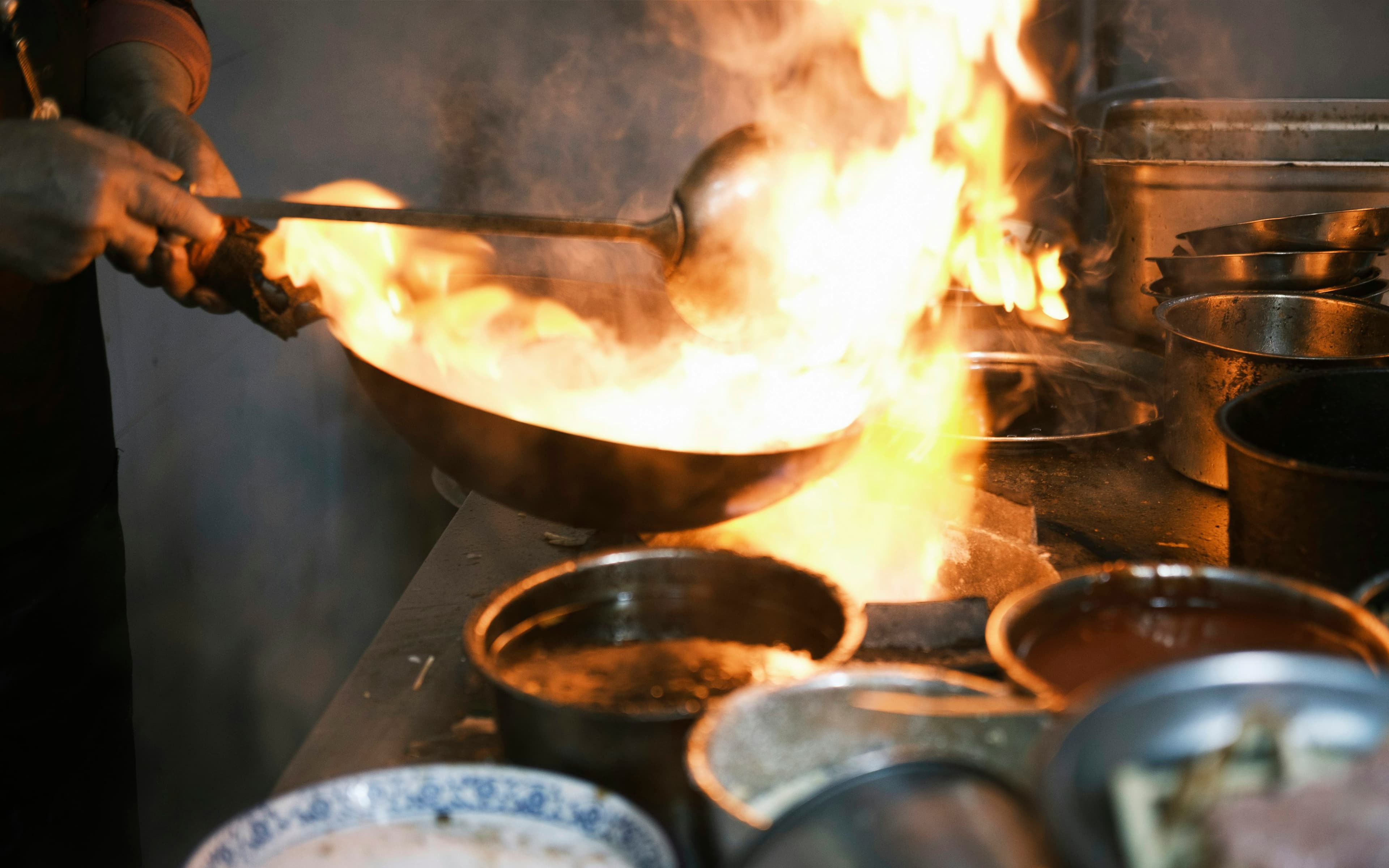
When people say wedding catering is more than a meal, they are often reaching for this whole invisible structure. The chopping, marinating, transport, timing, staffing, plating, clearing, reassuring, adjusting. The food is the part everyone sees. The craft is what allows them to see only that.
At the end of the day, when shoes are off and flowers are wilting slightly, the meal will remain in fragments of speech: the kebabs were good, the biryani was fragrant, that curry had proper depth, the sweet dish went quickly, everyone ate. For a family, those fragments matter. They mean the hospitality held. They mean the table did its work.