Kunnah, and the confidence to serve the difficult dish
A wedding dish can begin as a risk and become the thing guests remember most.
craft · Royal Lahori Chef Kitchen · 22 April 2026 · 9 min read
"Kunnah what?" is one of the better food questions because it contains both suspicion and possibility. In a public review of Royal Lahori Chef, Bilal describes first hearing the suggestion of meat Kunnah for his daughter's wedding and not knowing the dish. He writes that he was reluctant, that it was described as difficult, that not many caterers would risk it. Then comes the turn: guests loved it, people kept complimenting the food, and the dish became part of the wedding's afterlife.
This is a story about Kunnah, but also about trust. At a wedding, unfamiliarity is not always welcome. Families have too much at stake to gamble on a dish simply because it sounds interesting. Food must satisfy elders, friends, relatives, children, and the invisible panel of guests who have eaten at enough weddings to know exactly what they think. A caterer recommending a difficult dish is taking responsibility for the outcome.
The brave dish at a wedding is only brave if someone knows how to carry it.
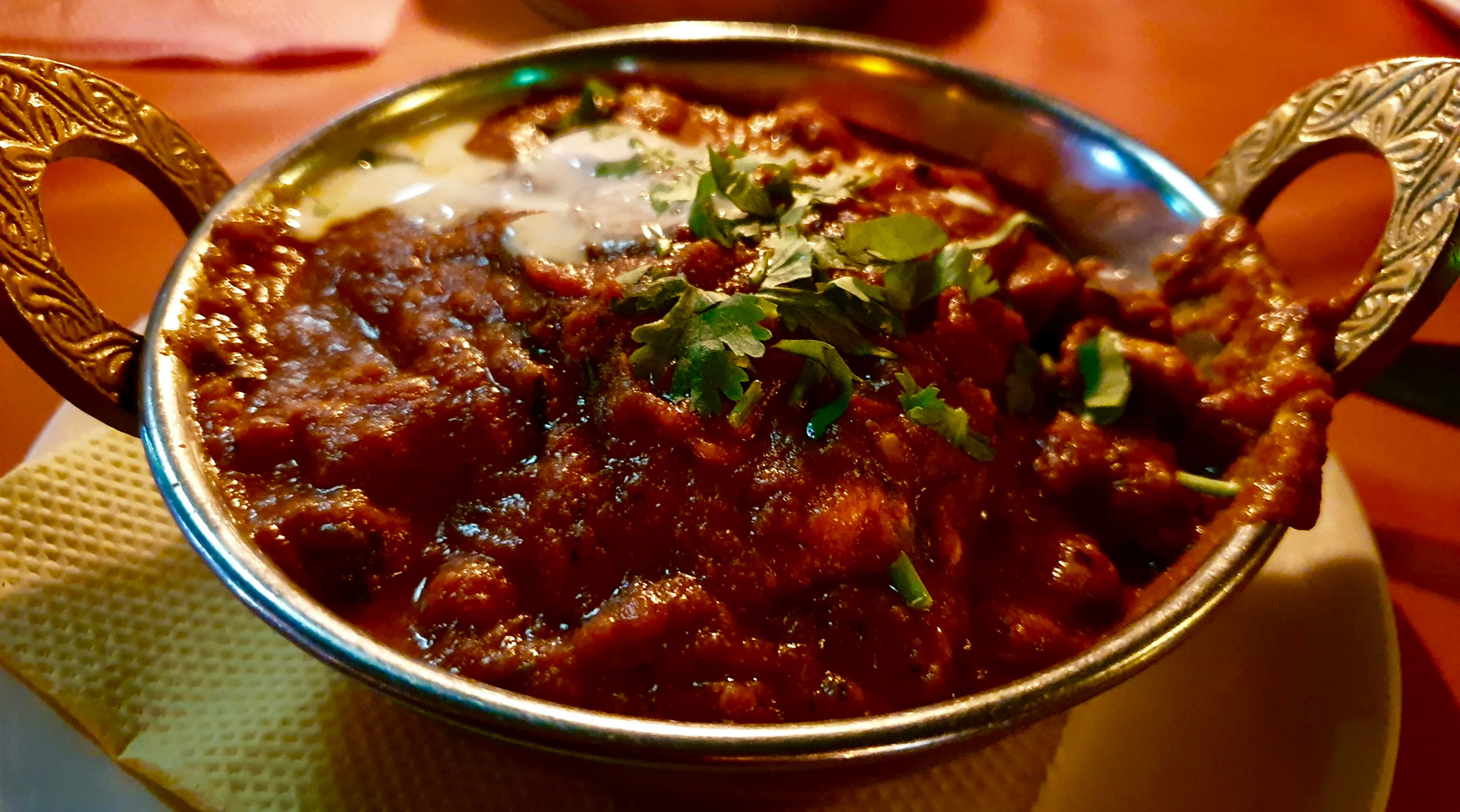
Kunnah is not a dish that benefits from casualness. It asks for time, heat, patience and confidence. The pleasure lies in depth: meat cooked until yielding, gravy dark and resonant, spice settled into the body of the dish rather than sitting above it. It should not feel hurried. It should not taste like a generic lamb curry wearing a different name. The difficulty is part of its character.
Bilal's review gives the human shape of that decision. He had already tasted the food at a cousin's wedding. He did not think twice when choosing a caterer for his daughter's wedding. The taster session went well. Still, Kunnah required persuasion. That is entirely reasonable. A taster is not merely a sales moment; it is where anxiety is tested against evidence. A family is asking: can we trust this kitchen with our day?
The answer, in this case, was carried by the dish itself. "The feedback from the guests was they loved the lamb curry and it was something they had never tasted before," he writes. That phrase matters: something they had never tasted before. Novelty can be cheap in food, but here it appears as surprise within familiarity. Guests understood the territory of meat, gravy, spice and wedding food, yet the dish gave them something distinct enough to remember.
A difficult dish earns its place when it gives guests surprise without making the family nervous.
There is a particular value in a caterer who will stand behind a dish like this. Not because every menu needs risk, but because some occasions deserve a centrepiece with conviction. Biryani can be fragrant and generous. Karahi can bring heat and gloss. Kebabs can open the appetite. Kunnah, when done properly, offers a slower, deeper kind of authority. It asks the table to pay attention.
The phrase "not many caterers will risk it" also reveals something important about craft. Difficulty is not only about technique. It is about accountability. Serving a dish at scale means accepting that it must hold, travel, be portioned, and meet guests at the right temperature and texture. A dish that works beautifully in a small pot can fail when multiplied without understanding. Confidence has to be earned before it is offered.
For British South Asian weddings, where food is often judged with affectionate severity, memorable dishes travel quickly through conversation. People talk in car parks, in kitchens, in WhatsApp messages, at the next family gathering. "That Kunnah" becomes shorthand for a wedding where the food mattered. It is not only praise for flavour; it is praise for the family's hospitality.
Bilal's review ends with a broad endorsement of the food: meat pilau and chicken biryani also highly recommended. This matters because it keeps the Kunnah in context. A difficult main cannot rescue an otherwise careless table. It shines properly only when the rest of the meal has structure. Pilau, biryani, kebabs, sweet dishes, service: the memorable centre works because the supporting parts are steady.
Trust is built before the wedding day, but it is proved when guests go back for another spoonful.
There is something quietly moving about a dish moving from doubt to memory. At first, it is a question. Then it is a taster. Then it is a decision made with some reluctance. Then it is served to a room full of people whose opinions matter. Finally, it becomes the thing people talk about afterwards. That arc is the real story of wedding catering: not persuasion for its own sake, but confidence justified by the plate.
Kunnah's appeal is not that it is obscure. Obscurity alone is thin pleasure. Its appeal is that, when prepared with care, it offers richness, tenderness and depth in a form that feels both rooted and distinctive. It can make a wedding meal feel less routine without making it feel alien to the table.
The lesson is not that every family should choose the most difficult dish. The lesson is that a careful catering relationship allows a family to be guided without being pushed. It gives them evidence, listens to hesitation, and takes responsibility for the recommendation. When that happens, a dish can move beyond risk. It can become the flavour guests carry home.