The taster session as a promise
A taster is not theatre; it is where a family begins to trust the food before the wedding day.
hospitality · Royal Lahori Chef Kitchen · 10 April 2026 · 7 min read
A taster session is often described as if it were a pleasant preview, a little theatre before the serious booking. For a family planning a wedding, it is much more than that. It is a promise being tested. The family is not only asking whether the food tastes good in a quiet moment. They are asking whether this kitchen can be trusted when the room is full, the schedule is tight, and the meal has become part of the day's emotional architecture.
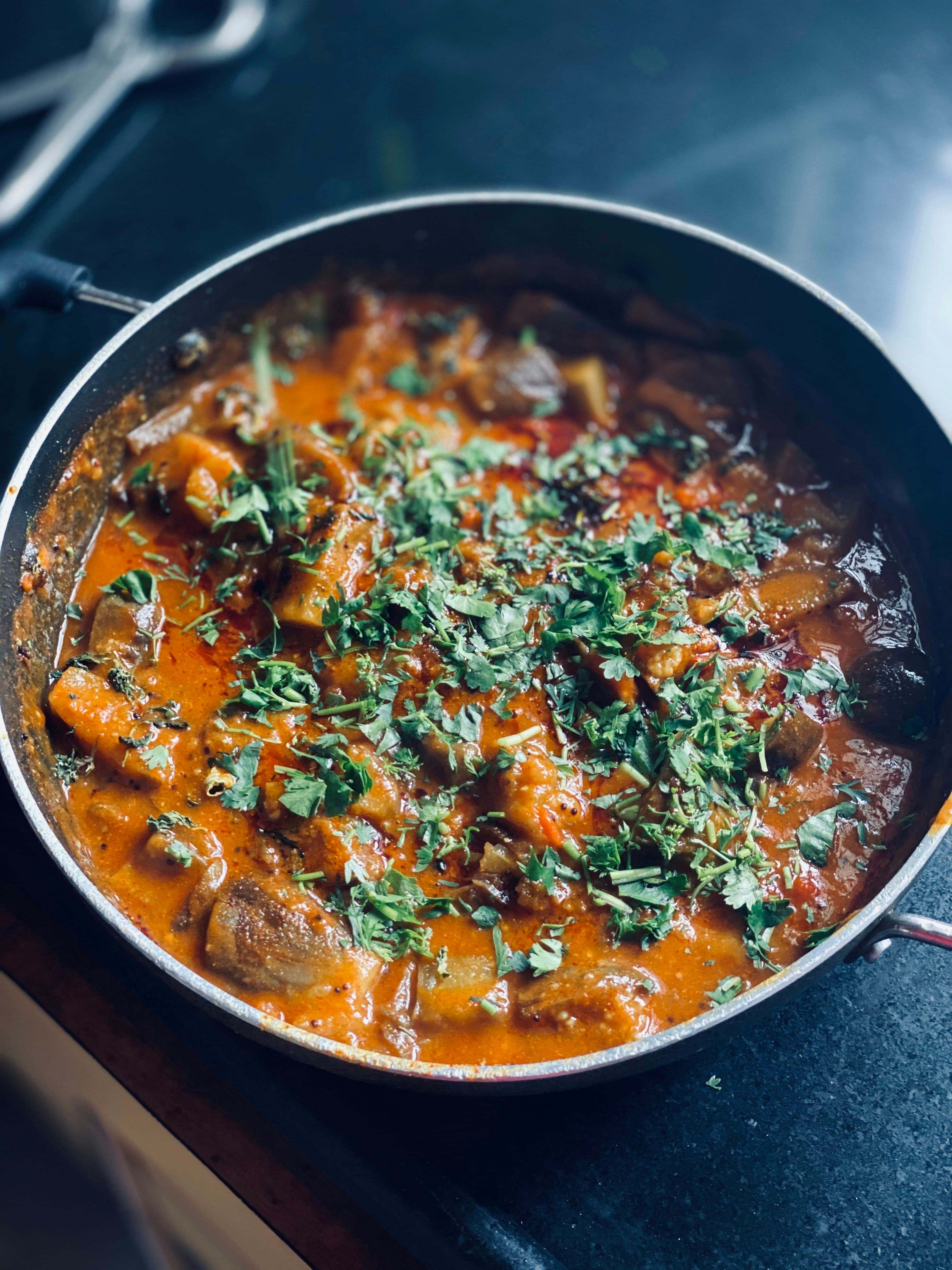
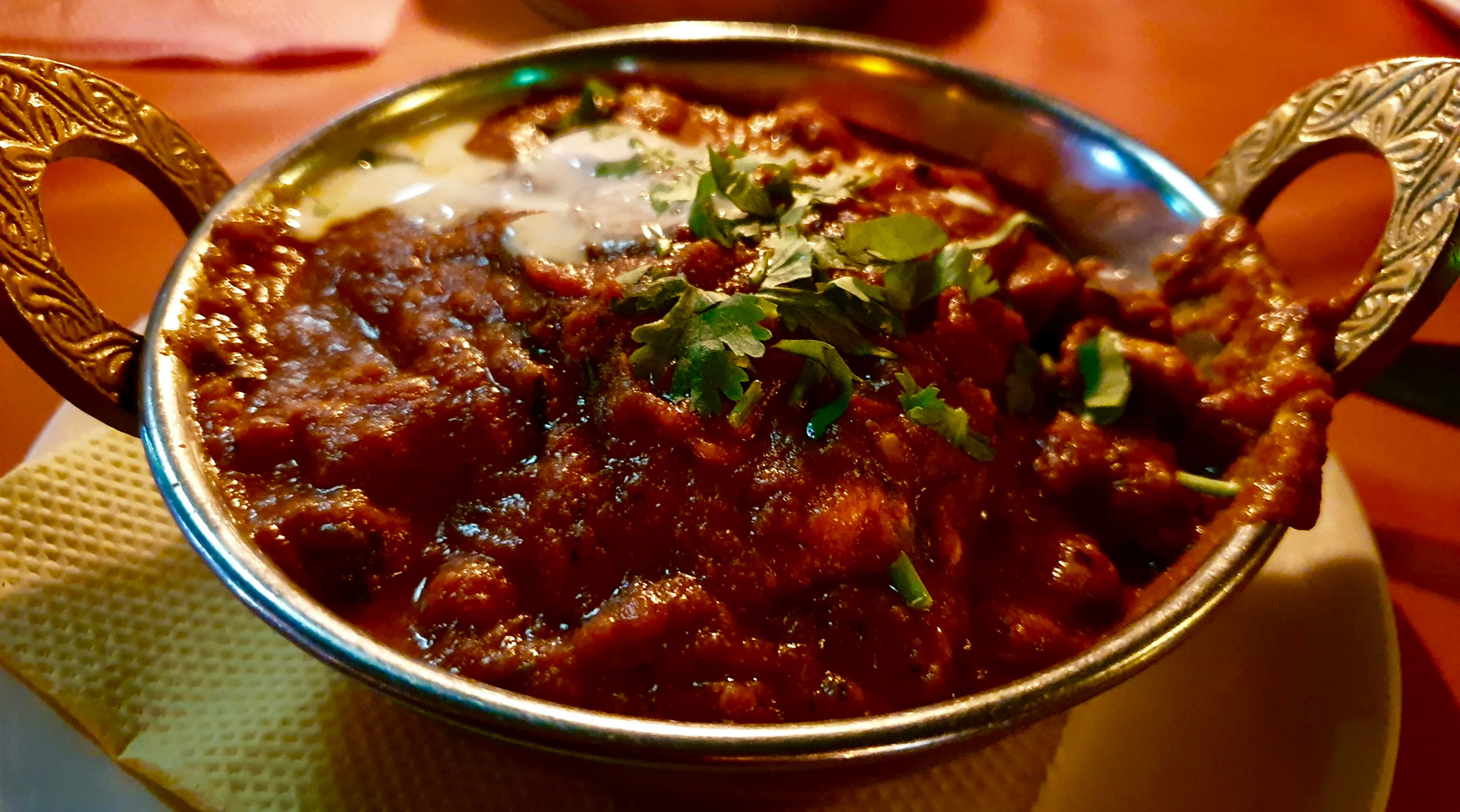
Bilal's public review of Royal Lahori Chef turns on such a session. He had tasted the food before at a cousin's wedding, so confidence already existed. Still, when meat Kunnah was suggested as one of the mains for his daughter's wedding, hesitation entered the room. "Kunnah what?" he remembers thinking. The taster went well, but the decision still required trust.
A taster is where appetite meets evidence.
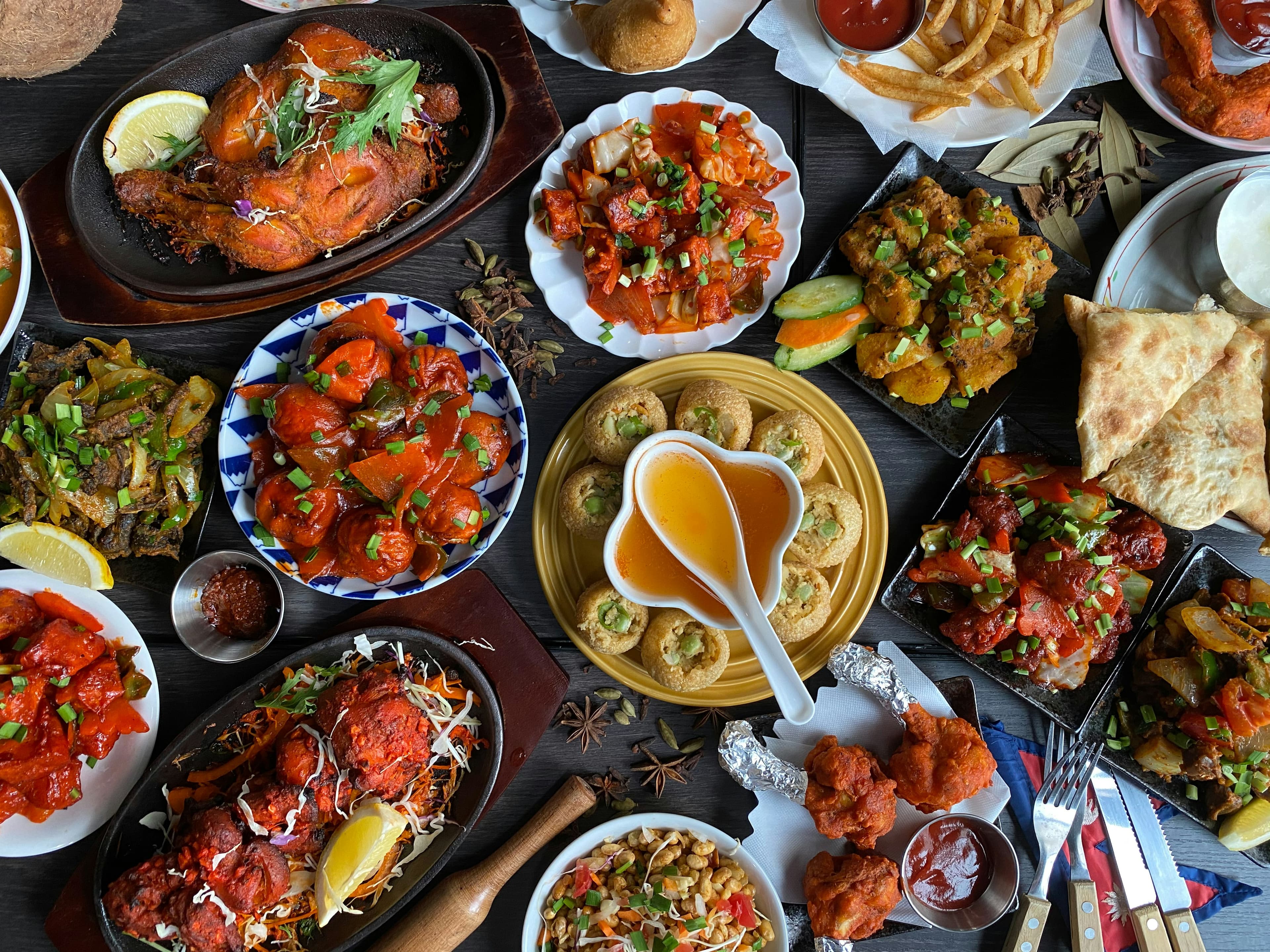
Useful tasting tables are honest. They do not overwhelm with spectacle or hide behind tiny, over-finished portions that bear little relation to event food. They show how dishes speak. Is the biryani fragrant? Does the rice hold? Does the meat have tenderness? Does a curry carry depth beyond heat? Does the Kunnah justify its confidence? These are practical questions with emotional consequences.
For wedding families, the taster also clarifies communication. How does the caterer respond to uncertainty? Are they listening, or simply steering? Can they explain why a dish belongs on the menu? Do they understand that elders, friends and extended family will all bring their own expectations? Trust is not built only by flavour. It is built by the manner in which flavour is discussed.
There is a vulnerability in choosing wedding food. The meal will be public. Guests will not experience the months of planning, the private compromises, the late-night list revisions. They will experience the plate. If the food disappoints, the family feels it personally. If the food succeeds, the family receives the praise as hospitality fulfilled. The taster sits between those possibilities.
Families do not need a performance at a taster. They need a reason to sleep better.
This is why difficult dishes require particular care. Kunnah, as Bilal was told, is not something every caterer will risk. That statement can sound alarming unless it is backed by taste, explanation and confidence. The taster has to turn risk into informed choice. It must allow the family to say yes because they believe the kitchen, not because they were dazzled.
Other dishes play their part in the promise. Meat pilau and chicken biryani, both mentioned approvingly in the same review, offer a kind of reassurance through familiarity. They are dishes guests understand, which means they cannot be treated lazily. A good pilau shows control. A good biryani shows timing. Together with a standout main, they make the menu feel complete rather than reckless.
The room around a taster is often quieter than the event it anticipates. There are fewer people, fewer distractions, fewer formalities. This quiet is useful. It lets families notice. They can ask whether the spice suits their guests, whether the dish feels too rich, whether there is enough variety, whether children and elders will find their way through the menu. A thoughtful caterer should welcome these questions.
At its worst, a tasting can become a sales pitch. At its best, it is a conversation conducted through food. The caterer presents what they can stand behind. The family brings its anxieties, preferences and memories. Somewhere between the two, the wedding menu takes shape.
The wedding meal begins before the wedding, in the moment a family decides to trust the table.
What makes Bilal's account persuasive is not simply that the guests liked the food. It is the full arc: previous experience, taster session, uncertainty, recommendation, decision, wedding day, guest feedback. That is how trust behaves in real life. It does not descend all at once. It gathers.
When a taster session works properly, the family leaves with more than a menu. They leave with a sense of being accompanied. They know what the dishes will try to do. They know why one main has been recommended over another. They know the kitchen understands the weight of the day. That knowledge is part of the service.
On the wedding day itself, no one will mention the taster. They will talk about the Kunnah, the biryani, the pilau, the warmth of the food, the fact that people went back for more. But beneath those compliments lies an earlier moment at a quieter table, when trust was offered, tested and accepted.